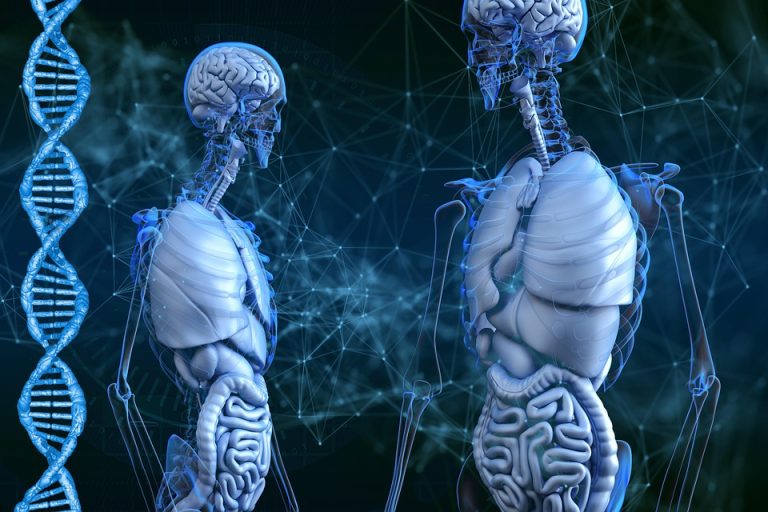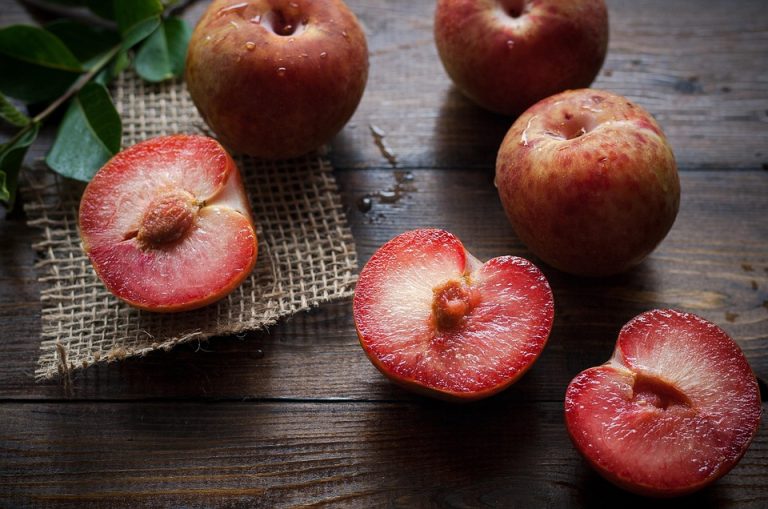


For many people, the path to digestive wellness involves looking closely at how the body processes specific natural sugars found in everyday foods. While fruits and vegetables form the cornerstone of a nutritious diet, certain types of carbohydrates do not always break down smoothly in the digestive tract. When the small intestine struggles to efficiently absorb a simple fruit sugar known as fructose, it can lead to a cascade of unexpected gastrointestinal discomfort. Understanding how this process works—and learning how to identify potential dietary triggers—can help individuals make informed choices without having to completely abandon a varied, nutrient-rich eating pattern. Understanding Fructose Malabsorption Fructose is a monosaccharide, or simple sugar, found naturally in fruits, honey, root vegetables, and sweeteners like high-fructose corn syrup and agave nectar. Under normal circumstances, specialized transport proteins in the small intestine absorb fructose directly into the bloodstream, where it is utilized for energy. When a person experiences fructose malabsorption, these transport systems do not work at full capacity. As a result, excess unabsorbed fructose travels onward into the large intestine. Once it reaches the colon, resident bacteria rapidly ferment the sugar. This fermentation process produces short-chain fatty acids and gases—such as hydrogen, carbon dioxide, and sometimes methane—which can trigger bloating, cramping, and changes in bowel habits. It is worth noting that fructose malabsorption is distinct from hereditary fructose intolerance (HFI), a rare and serious genetic metabolic disorder diagnosed in infancy that involves a complete absence of a specific liver enzyme. Fructose malabsorption, by contrast, is …
For many people, the path to digestive wellness involves looking closely at how the body processes specific natural sugars found in everyday foods. While fruits and vegetables form the cornerstone of a nutritious diet, certain types of carbohydrates do not always break down smoothly in the digestive tract. When the small intestine struggles to efficiently absorb a simple fruit sugar known as fructose, it can lead to a cascade of unexpected gastrointestinal discomfort.
Understanding how this process works—and learning how to identify potential dietary triggers—can help individuals make informed choices without having to completely abandon a varied, nutrient-rich eating pattern.
Understanding Fructose Malabsorption
Fructose is a monosaccharide, or simple sugar, found naturally in fruits, honey, root vegetables, and sweeteners like high-fructose corn syrup and agave nectar. Under normal circumstances, specialized transport proteins in the small intestine absorb fructose directly into the bloodstream, where it is utilized for energy.
When a person experiences fructose malabsorption, these transport systems do not work at full capacity. As a result, excess unabsorbed fructose travels onward into the large intestine. Once it reaches the colon, resident bacteria rapidly ferment the sugar. This fermentation process produces short-chain fatty acids and gases—such as hydrogen, carbon dioxide, and sometimes methane—which can trigger bloating, cramping, and changes in bowel habits.
It is worth noting that fructose malabsorption is distinct from hereditary fructose intolerance (HFI), a rare and serious genetic metabolic disorder diagnosed in infancy that involves a complete absence of a specific liver enzyme. Fructose malabsorption, by contrast, is a functional digestive issue related to how the intestines handle sugar absorption and is far more common in adults.
Recognizing Common Symptom Patterns
The physical sensations associated with unabsorbed fructose can vary significantly from person to person. Because digestion is influenced by portion sizes, meal composition, and overall gut motility, two people eating the exact same food may experience entirely different reactions.
Frequently reported observations include:
- Abdominal Distension and Bloating: A feeling of fullness or visible swelling in the abdomen, often worsening as the day progresses.
- Excessive Gas: Increased flatulence caused by bacterial fermentation in the lower gut.
- Cramping or Abdominal Discomfort: Mild to moderate tugging sensations or pain in the mid-to-lower abdomen.
- Altered Bowel Movements: Episodes ranging from loose stools or urgency to sluggish digestion, depending on how the body pulls water into the intestinal lumen.
These signs do not automatically point to a single cause. Similar gastrointestinal patterns can appear with various other digestive considerations, making it essential to look at the bigger picture rather than jumping to conclusions.
Common Dietary Sources of Fructose
Navigating fructose involves more than just cutting out apples and pears. Fructose is present in many different foods, often appearing alongside another sugar called glucose. Interestingly, the presence of glucose actually aids in fructose absorption; foods that contain an equal or higher ratio of glucose to fructose are typically much easier to digest.
When evaluating everyday ingredients, it helps to understand where higher concentrations of free fructose are found:
High-Fructose Fruits and Sweeteners
- Tree Fruits: Apples, pears, watermelons, cherries, and mangoes.
- Dried Fruits: Raisins, dates, figs, and dried apricots, which concentrate natural sugars as the water is removed.
- Concentrated Sweeteners: Agave nectar, honey, and high-fructose corn syrup (frequently added to commercial beverages, baked goods, and condiments).
Vegetables with Notable Fructose Content
- Alliums: Onions, garlic, shallots, and leeks (which also contain fructans, a type of fermentable carbohydrate).
- Root Vegetables: Asparagus, sugar snap peas, and artichokes.
Everyday Alternatives and Balance
Fortunately, many plant-based foods have a more favorable balance of sugars. Fruits such as bananas, strawberries, blueberries, oranges, and raspberries generally contain closer ratios of glucose and fructose, making them gentler options for many individuals. Maintaining dietary variety is vital; severely restricting entire food groups without guidance can lead to unnecessary nutritional gaps and diminished fiber intake.
Practical Strategies for Dietary Management
Managing digestive sensitivity to fructose does not mean living on a rigidly restricted menu. Instead, it is about finding a personal tolerance threshold and applying thoughtful adjustments to daily eating habits.
- Mind Portion Sizes: Eating a large quantity of a high-fructose food all at once can overwhelm intestinal transport capacity. Spreading smaller portions throughout the day is often much easier on the gut.
- Pair Foods Wisely: Consuming fructose-containing foods alongside a source of glucose, protein, or healthy fats can sometimes support smoother digestion.
- Keep a Food and Symptom Diary: Tracking meals alongside physical responses over a couple of weeks can help reveal subtle patterns that memory alone might miss.
- Consult a Professional: If symptoms persist or interfere with daily life, working with a registered dietitian or gastroenterologist can provide personalized guidance. Professional support is especially valuable before embarking on any structured elimination approach, ensuring that overall nutrition remains balanced.
Persistent or worsening digestive changes should always be evaluated by a qualified healthcare provider to rule out other underlying conditions, such as celiac disease or inflammatory bowel disorders.
Frequently Asked Questions
Is fructose malabsorption the same thing as a fruit allergy?
No. An allergy involves an immune system response, where the body treats a protein in a food as a harmful invader, potentially causing severe reactions like hives or breathing difficulties. Fructose malabsorption is a non-allergic digestive process where the small intestine has difficulty breaking down and absorbing a specific simple sugar.
Can my body’s ability to absorb fructose change over time?
Yes. Tolerance levels can fluctuate based on stress, overall gut health, medication use, and changes in the gut microbiome. Many people find that they can tolerate small amounts of their favorite high-fructose foods even if large quantities cause discomfort.
Do I need to avoid high-fructose corn syrup completely?
While high-fructose corn syrup is a concentrated source of free fructose often found in processed foods and beverages, every individual’s tolerance is unique. Some people experience symptoms from even small amounts, while others can manage moderate intakes without issue. Reading ingredient labels helps identify where added sweeteners are present.
Are all fruits off-limits if I have trouble with fructose?
Not at all. Many fruits are well-tolerated because they contain balanced amounts of glucose alongside fructose. Options like citrus fruits, berries, and bananas are often easily incorporated into a comfortable everyday eating plan.
Can cooking or processing change how a food affects my digestion?
Cooking does not fundamentally alter the amount of fructose present in a food, but processing methods and portion sizes matter greatly. For instance, drinking a large glass of 100% apple juice delivers a heavy load of free fructose rapidly to the gut, whereas eating a small, fresh apple alongside a meal provides fiber and a slower release of nutrients.
SEO Meta Description
Explore how fructose malabsorption affects digestion, learn common dietary triggers, and discover practical, balanced strategies for gut comfort.