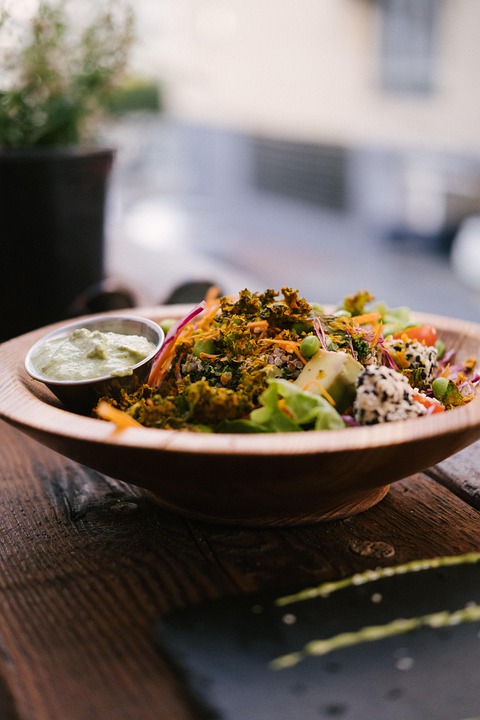


Busy schedules often stand between good intentions and actual healthy eating. When hunger strikes after a long workday, turning to convenient takeout feels much easier than cooking a fresh meal from scratch. Yet, nourishing your body with wholesome ingredients doesn't have to require hours in the kitchen every single evening. The secret to maintaining a balanced diet amidst a hectic lifestyle lies not in willpower, but in efficient organization. By mastering intentional meal planning and preparation, you can transform chaotic weeknight cooking into a streamlined, stress-free routine. This approach saves time, reduces food waste, and ensures you always have wholesome, nutrient-dense food ready to enjoy. The Strategic Shift: Moving Away from Day-to-Day Decision Fatigue Deciding what to cook three times a day, seven days a week, drains mental energy. This constant decision-making often leads to the "what's for dinner?" panic, which frequently ends in ultra-processed convenience foods. Transitioning to a structured strategy changes this dynamic entirely. Instead of viewing cooking as an endless chore, you approach your kitchen with a clear roadmap. Why Organization Beats Improvisation Reduced Friction: When ingredients are already washed, chopped, and measured, assembling a meal takes minutes instead of an hour. Financial Efficiency: Buying only what you need based on a set schedule prevents impulse grocery purchases and drastically cuts down on spoiled produce at the back of the fridge. Nutritional Consistency: A well-laid plan naturally incorporates a wider variety of vegetables, whole grains, and lean proteins across the week. Crafting Your Weekly Blueprint Successful kitchen …
Busy schedules often stand between good intentions and actual healthy eating. When hunger strikes after a long workday, turning to convenient takeout feels much easier than cooking a fresh meal from scratch. Yet, nourishing your body with wholesome ingredients doesn’t have to require hours in the kitchen every single evening.
The secret to maintaining a balanced diet amidst a hectic lifestyle lies not in willpower, but in efficient organization. By mastering intentional meal planning and preparation, you can transform chaotic weeknight cooking into a streamlined, stress-free routine. This approach saves time, reduces food waste, and ensures you always have wholesome, nutrient-dense food ready to enjoy.
The Strategic Shift: Moving Away from Day-to-Day Decision Fatigue
Deciding what to cook three times a day, seven days a week, drains mental energy. This constant decision-making often leads to the “what’s for dinner?” panic, which frequently ends in ultra-processed convenience foods.
Transitioning to a structured strategy changes this dynamic entirely. Instead of viewing cooking as an endless chore, you approach your kitchen with a clear roadmap.
Why Organization Beats Improvisation
- Reduced Friction: When ingredients are already washed, chopped, and measured, assembling a meal takes minutes instead of an hour.
- Financial Efficiency: Buying only what you need based on a set schedule prevents impulse grocery purchases and drastically cuts down on spoiled produce at the back of the fridge.
- Nutritional Consistency: A well-laid plan naturally incorporates a wider variety of vegetables, whole grains, and lean proteins across the week.
Crafting Your Weekly Blueprint
Successful kitchen organization starts well before you turn on the stove. Building a sustainable weekly routine involves a few deliberate steps that align with your personal schedule.
1. Audit Your Calendar First
Never plan an elaborate, multi-course meal on a night filled with late meetings or kids’ sports practices. Match the complexity of your recipes to the time you actually have available. Save quick assembly meals for chaotic nights and reserve slow-cooking or experimental recipes for relaxed weekends.
2. Design Around Flavor Bridges
Instead of cooking entirely different dishes every day, focus on versatile core ingredients. If you roast a double batch of root vegetables or grains on Sunday, you can repurpose them throughout the week:
- Use them as a base for a warm grain bowl on Monday.
- Fold them into a quick midday frittata on Tuesday.
- Toss them into a hearty vegetable soup base by Wednesday.
3. Build Balanced Plates
Ensure your weekly menu covers your fundamental nutritional needs without feeling restrictive. Aim to feature a colorful array of produce, quality sources of dietary fiber, complex carbohydrates, and satisfying proteins in your daily rotation.
Efficient Batch Cooking and Component Prep
You do not need to spend your entire weekend trapped in the kitchen to reap the rewards of food prep. In fact, full-meal prep can sometimes lead to food fatigue by Thursday. A smarter alternative is component prep.
Instead of cooking complete meals ahead of time, focus on preparing individual building blocks that mix and match easily.
Essential Components to Prep Ahead:
- The Protein Foundation: Bake a batch of seasoned poultry, firm tofu, or tempeh to slice up for quick salads and wraps.
- The Grain Base: Cook a large pot of quinoa, brown rice, or farro. Let it cool completely before storing it in an airtight container in the refrigerator.
- The Roasted Produce: Toss diced sweet potatoes, broccoli florets, or bell peppers in olive oil and roast them at high heat. These add instant depth and flavor to almost any savory dish.
- The Flavor Boosters: Whip up a quick dressing, a vibrant herb-based sauce, or a jar of toasted seeds to add texture and zest to your finished plates.
Smart Grocery Shopping Habits
Your weekly organization routine is only as strong as your grocery cart. Walking through supermarket aisles without a plan invites clever marketing to dictate your purchases.
- Shop the Perimeter First: Most fresh, whole foods—produce, fresh proteins, and dairy alternatives—live on the outer edges of the store. Focus the majority of your cart space here.
- Embrace the Freezer Aisle: Frozen fruits and vegetables are picked and flash-frozen at peak ripeness, locking in vitamins and minerals. They offer incredible convenience and virtually zero food waste for busy households.
- Check Your Pantry Before Leaving: Avoid buying duplicates of staples like olive oil, spices, or dried lentils simply because you forgot what was hiding in the back of the cupboard.
Maintaining Flexibility and Grace
Life is unpredictable. Your carefully crafted grocery schedule might hit a snag when plans change or energy levels plummet. That is entirely normal.
Sustainable nutrition is not about rigid perfection; it is about consistency over time. If Wednesday’s planned roasted vegetable medley turns into a simple scrambled egg and toast night, your healthy eating journey remains fully intact. Treat your meal plan as a helpful guide rather than an unbreakable rulebook.
Frequently Asked Questions
How many days in advance should I prep my food?
Most prepped ingredients, such as cooked grains, roasted vegetables, and cut produce, maintain their best texture and quality when consumed within 3 to 4 days. Plan your prep sessions twice a week—such as Sunday afternoon and Wednesday evening—if you prefer fresher-tasting meals throughout the entire week.
Can I freeze prepped meals if I cook too much?
Yes, many batch-cooked dishes like bean chilis, lentil soups, and grain bakes freeze exceptionally well. Store them in airtight, freezer-safe containers and label them with the date. Thaw them overnight in the refrigerator before reheating thoroughly.
What if my family doesn’t like eating leftovers?
Component prep solves the “leftover fatigue” issue. By preparing separate base ingredients (like plain grains, proteins, and roasted veggies) rather than fully assembled casseroles, you can easily combine and season them differently each day to create entirely new flavor profiles.
Is meal planning expensive to start?
Initially, buying a wider variety of fresh ingredients may require a slightly larger grocery outlay. However, over time, strategic planning saves money by dramatically reducing food waste, minimizing costly impulse grocery buys, and cutting down on expensive last-minute restaurant orders.
How do I start meal planning if I have zero spare time?
Start small. Do not try to prep 21 meals for your first week. Pick just one meal—such as weekday breakfasts or three weeknight dinners—and organize those. Once that feels like a natural habit, gradually expand your planning to other areas of your routine.
Do I need special storage containers for food prep?
While specialized glass or BPA-free plastic containers with tight-fitting lids are convenient, you do not need an expensive matching set to begin. Standard glass jars, reusable deli containers, and existing kitchen bowls covered securely with silicone lids work wonderfully for storing prepped ingredients.
Meta Description: Transform your weekly routine with practical meal planning and prep strategies. Discover how to save time, reduce food waste, and enjoy balanced eating effortlessly.