
The Daily Routine That Will Bulletproof Your Immune System

immune health habits

Working unconventional hours goes against our most fundamental biological programming. While the rest of the world powers down, night shift workers are expected to stay alert, sharp, and productive. Over time, fighting your body’s natural circadian rhythm can take a serious toll on physical vitality, mental clarity, and long-term well-being. However, embracing a nocturnal schedule does not mean sacrificing your health. With intentional strategies and a proactive self-care routine, you can thrive on the night shift without running on empty. Here is your evidence-based roadmap to safeguarding your wellness while working after dark. Rewiring Your Rest: Optimizing Sleep Quality by Day The single greatest challenge for night shift workers is securing restorative, high-quality sleep during daylight hours. Because sunlight and ambient noise signal the brain to stay awake, daytime rest is often fragmented and light. To outsmart your biology, create an environment that mimics the dead of night: Total Blackout: Invest in heavy blackout curtains or adhesive window film. Even a sliver of sunlight can trick your pineal gland into halting melatonin production. Acoustic Shielding: Use a white noise machine or earplugs to mask daytime disruptions like traffic, lawnmowers, and delivery drivers. Cool Down: Lower your bedroom thermostat. Your core body temperature naturally drops during sleep; a cooler room (around 65°F or 18°C) encourages deeper slumber. Wind-Down Ritual: Resist the urge to go straight from your car into bed. Give your mind 30 to 45 minutes to decompress with a low-light routine, reading, or gentle stretching before closing your eyes. …


Working unconventional hours goes against our most fundamental biological programming. While the rest of the world powers down, night shift workers are expected to stay alert, sharp, and productive. Over time, fighting your body’s natural circadian rhythm can take a serious toll on physical vitality, mental clarity, and long-term well-being.

However, embracing a nocturnal schedule does not mean sacrificing your health. With intentional strategies and a proactive self-care routine, you can thrive on the night shift without running on empty. Here is your evidence-based roadmap to safeguarding your wellness while working after dark.


Rewiring Your Rest: Optimizing Sleep Quality by Day

The single greatest challenge for night shift workers is securing restorative, high-quality sleep during daylight hours. Because sunlight and ambient noise signal the brain to stay awake, daytime rest is often fragmented and light.

To outsmart your biology, create an environment that mimics the dead of night:

  • Total Blackout: Invest in heavy blackout curtains or adhesive window film. Even a sliver of sunlight can trick your pineal gland into halting melatonin production.
  • Acoustic Shielding: Use a white noise machine or earplugs to mask daytime disruptions like traffic, lawnmowers, and delivery drivers.
  • Cool Down: Lower your bedroom thermostat. Your core body temperature naturally drops during sleep; a cooler room (around 65°F or 18°C) encourages deeper slumber.
  • Wind-Down Ritual: Resist the urge to go straight from your car into bed. Give your mind 30 to 45 minutes to decompress with a low-light routine, reading, or gentle stretching before closing your eyes.

Fueling the Graveyard Shift: Nutrition for Sustained Energy

When fatigue hits at 3:00 AM, the vending machine’s siren song of sugary snacks and heavy carbohydrates becomes difficult to resist. While these foods offer a quick burst of energy, they inevitably lead to a sharp crash, leaving you sluggish and irritable.

Adopt these smart nutritional habits to keep your metabolism and energy stable:

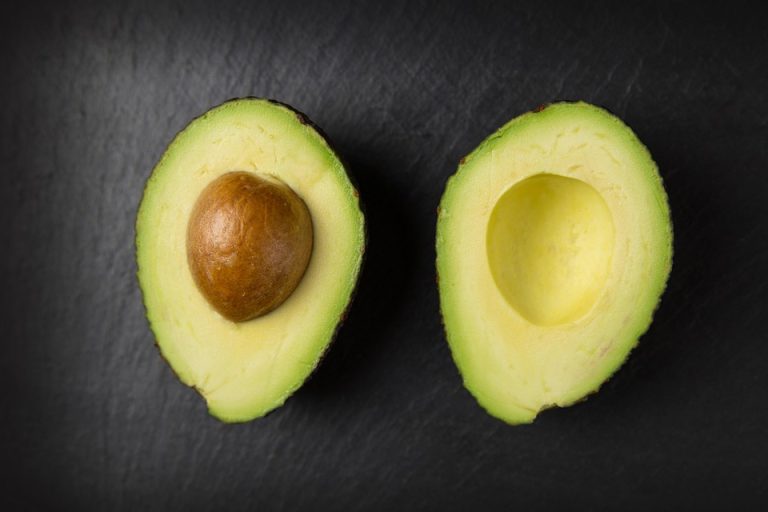
  • Protein-Forward Meals: Prioritize lean proteins (chicken, fish, tofu, Greek yogurt) and healthy fats (avocado, nuts, olive oil) during your shift. They digest slowly and provide steady fuel.
  • Strategic Caffeine Cuttings: Enjoy your coffee or caffeinated tea during the first half of your shift. Cut off caffeine at least six hours before you plan to go to sleep to prevent it from interfering with deep restorative cycles.
  • Hydration First: Fatigue is frequently a sneaky disguise for dehydration. Keep a large water bottle at your workstation and sip consistently throughout the night.
  • Light, Digestible Snacks: Heavy, greasy meals eaten in the middle of the night sit heavily in the stomach because your digestive system naturally slows down after dark. Opt for smaller, nutrient-dense portions.

Protecting Your Mind: Mental Health and Social Connection

Working when everyone else is sleeping can lead to profound isolation. The disconnect from family, friends, and community events often breeds loneliness, anxiety, and burnout.

Nurturing your mental and emotional resilience requires conscious effort:

  • Designated Social Windows: Communicate your sleep schedule to loved ones so they know when you are unavailable, but also carve out specific times when you can engage socially.
  • Combatting Seasonal Blues: Night shift workers miss out on vital natural sunlight, which can lead to Vitamin D deficiencies and low mood. Consider a 10,000-lux therapy light box during your pre-work routine to help regulate your mood and internal clock.
  • Movement Breaks: If your shift involves long stretches of sitting, incorporate brief movement snacks—such as walking briskly down the hallway or doing desk stretches—to boost blood flow and clear mental fog.


Frequently Asked Questions

How can I maintain a normal social life on the night shift?

Balancing a nocturnal schedule with a diurnal world requires compromise. Be honest with friends and family about your rest windows. Whenever possible, schedule social interactions in the late afternoon just before you head to work, treating that time as your “evening.”

Should I keep my sleep schedule the same on my days off?

Maintaining a strict nocturnal schedule 24/7 is ideal for your circadian rhythm, but it is rarely realistic for family or social life. Instead, try practicing “anchor sleep”—keeping a modified sleep schedule (like sleeping from 4 AM to midday) even on your days off to minimize severe schedule whiplash.

What are the best supplements for night shift workers?

Many night shift workers benefit from Vitamin D supplementation due to a lack of sun exposure. Additionally, small doses of melatonin (0.5mg to 3mg) can help signal to your brain that it is time to sleep when taken a few hours before your daytime bedtime. Always consult a healthcare provider before starting new supplements.

When should I seek professional medical advice regarding my sleep?

Occasional fatigue comes with the territory, but if you experience chronic insomnia, severe mood disturbances, digestive issues, or symptoms of shift work sleep disorder (SWSD) that do not improve with lifestyle changes, it is time to speak with a physician or a sleep specialist.


Related Posts

genetic risk factors
October 8, 2026
Beyond Family History: Why Genetic Risk is Only Half the Story

When we talk about health, wellness, and why some people seem genetically blessed while others constantly battle chronic conditions, we are ultimately talking about genetics. But what does that word actually mean beyond high school biology textbooks? For many, genetics feels like an abstract science dominated by complex jargon, double helices, and laboratory microscopes. Yet, understanding the basics of how your body’s instruction manual works is one of the most empowering steps you can take for your personal well-being. Knowing how your genes function—and just as importantly, how they interact with the world around you—demystifies your health history and helps you make informed choices every single day. The Library of You: What Are Genes and DNA? To understand genetics, it helps to start with a physical analogy. Imagine your entire body is a massive, highly sophisticated city. To keep that city running smoothly, millions of construction projects, waste management routines, and traffic signals must happen every second. Inside nearly every cell in your body sits the "Central Library." This library holds all the blueprints needed to build, operate, and repair your cellular city. DNA (Deoxyribonucleic Acid): This is the physical material of the blueprints. It is a long, twisted molecule shaped like a spiral staircase (the famous double helix). DNA is written using a four-letter chemical alphabet: A, T, C, and G. The exact sequence of these letters spells out instructions. Genes: If DNA is the entire collection of blueprints in the library, genes are the individual instruction manuals. Each …

daily nutrition
October 8, 2026
The 10-Minute Routine That Fixes Your Daily Nutrition Gaps

Meta Description: Discover how to select, inspect, and store fresh vegetables to maximize flavor, reduce kitchen waste, and keep your daily nutrition on track. When was the last time you brought home a crisp bunch of greens or a vibrant head of produce, only to watch it wilt in the crisper drawer a few days later? Buying healthy whole foods is only half the battle; knowing how to navigate the grocery store shelves, pick the best specimens at peak ripeness, and store them correctly at home determines whether those nutrient-dense ingredients make it to your plate or end up in the compost bin. Developing a reliable eye for produce quality transforms everyday meal prep. Instead of guessing whether a bulb is fresh or a root vegetable is past its prime, understanding the tactile and visual cues of fresh vegetables makes grocery shopping faster, more economical, and far more rewarding. Let’s dive into the practical art of selecting, evaluating, and storing your favorite market finds. The Anatomy of Freshness: What to Look for at the Market Every vegetable tells a visual story about its journey from the farm to the display counter. Learning to read those physical cues helps you bypass bruised or aging items and head straight for produce that is crisp, flavorful, and packed with vitamins and minerals. Leafy Greens and Cruciferous Vegetables When shopping for spinach, kale, chard, or cabbages, moisture and structural integrity are your primary indicators. Check the stems: Crisp, firm stems indicate recent harvest. Limp …

lactose intolerance
October 8, 2026
Don’t Cry Over Spilled Milk (Unless It Has Lactose)

The quiet hum of a refrigerator storing tonight's leftovers, a steaming mug of aged bone broth on a chilly morning, or a slice of sharp artisanal cheese paired with a glass of fermented red wine—these are staples of sophisticated modern cooking. Yet, for some individuals, these flavorful staples can trigger a perplexing wave of physical reactions, ranging from sudden headaches and flushed skin to unpredictable digestive discomfort. When everyday wholesome foods unexpectedly cause distress, the culprit is occasionally histamine intolerance. Unlike classic food allergies involving the immune system, histamine sensitivity is typically a metabolic puzzle. It involves how your body processes specific naturally occurring compounds found in the foods we consume every day. For readers of The Health Care seeking clarity on digestive wellness and nuanced dietary patterns, exploring the mechanics of dietary histamine can illuminate why certain meals leave you feeling less than your best. What Is Histamine and How Does the Body Process It? Histamine is a naturally occurring organic molecule that plays vital physiological roles. Produced internally by certain white blood cells, histamine acts as a signaling chemical for the immune system, helps regulate stomach acid secretion, and assists in neurotransmission within the brain. However, histamine does not come solely from internal production. It is also found naturally in a wide variety of plant and animal foods, particularly those that have undergone aging, fermentation, curing, or microbial ripening. Under normal circumstances, a healthy digestive tract efficiently breaks down ingested histamine using specific enzymes—most notably diamine oxidase (DAO), …

hereditary health conditions
October 8, 2026
Outsmarting Your DNA: Proactive Steps for High-Risk Conditions

When most people hear the word "genetics," they picture complicated laboratory equipment, abstract biology textbooks, or dramatic scenes from crime television shows. Yet, genetics is happening inside your body at this very second. Every breath you take, how your body turns your lunch into energy, and why your eyes crinkle a certain way when you smile are all tied back to your biological blueprint. Understanding the basics of genetics doesn't require a master's degree in molecular biology. By breaking down how your body reads its own instruction manual, you can gain a clearer picture of your wellness, your family health history, and how everyday choices interact with your innate biology. What Exactly Is a Gene? The Library Analogy To understand genetics, it helps to use an analogy. Imagine your body is a massive, highly complex manufacturing plant. This plant needs instructions to build everything from structural beams (bones and muscles) to specialized machinery (enzymes that digest food). The Genome (The Library): Your entire collection of genetic instructions is called your genome. Think of this as the grand central library of your body. Chromosomes (The Books): Inside nearly every cell in your body, this library is divided into 46 distinct volumes called chromosomes (23 inherited from your biological mother, 23 from your father). Genes (The Chapters and Recipes): Within those books are individual instructions known as genes. Each gene is a specific recipe telling your cells how to make a particular protein. DNA (The Ink): DNA (deoxyribonucleic acid) is the actual …

self care tips
October 8, 2026
Self-Care Isn’t Selfish: Why You Need to Put Yourself First

We all recognize the heavy blows: a job loss, a global crisis, a major family emergency. We brace ourselves, lean on our support systems, and survive the tempest. But what about the constant drip-drip-drip of everyday friction? Unanswered text messages piling up, a flickering lightbulb you haven't replaced, the fourth consecutive Zoom call with a frozen screen, or the low-grade anxiety of a cluttered kitchen counter. In the wellness world, these are known as micro-stressors. Individually, they feel insignificant—too small to complain about, too petty to warrant meditation. Collectively, however, they act like paper cuts to your nervous system, gradually eroding your energy, sleep quality, and emotional resilience. Welcome to a practical guide on identifying these invisible drains, understanding their physiological toll, and reclaiming your daily peace through targeted micro-resets. What Exactly Are Micro-Stressors? Micro-stressors are minor, momentary disruptions that trigger a subtle alarm in your brain. Coined by researchers Rob Cross and Karen Dillon, these occurrences often stem from interactions, environmental stimuli, or self-imposed expectations. Unlike acute stress, which spikes your cortisol and then recedes, micro-stressors fly under the radar. Your conscious mind dismisses them ("It's no big deal"), but your autonomic nervous system registers them all the same. Common Everyday Culprits: Digital Clutter: A phone screen flashing with red notification badges every few minutes. Environmental Friction: Wearing shoes that pinch just a little bit, working in poor lighting, or navigating a chaotic workspace. Relational Micro-Moments: A passive-aggressive comment from a colleague or a partner sighing heavily without explanation. …

nutrient rich foods
October 8, 2026
Fuel Your Day: The Superfoods You Should Be Eating Every Single Day

Meta Description: Discover how to harness the nutritional power of chia seeds. Explore smart serving sizes, smart hydration tips, creative daily meal ideas, and storage hacks. Tiny yet mighty, chia seeds have transitioned from a nostalgic novelty sprout to a cornerstone of modern pantry wellness. These oilseeds, harvested from the Salvia hispanica plant native to Central America, pack a remarkable density of fiber, plant-based omega-3 fatty acids, and essential minerals into a remarkably small package. Yet, simply tossing a handful into your morning routine without a strategy can lead to a less-than-ideal culinary experience. To truly benefit from what chia seeds offer, you need to understand how they interact with liquid, how to select the best quality bags at the store, and how to weave them seamlessly into savory and sweet dishes alike. Decoding the Nutrient Profile of Chia Seeds Before altering your grocery list, it helps to understand what happens on a microscopic level when you consume these black and white ovals. While they are famously small, their macronutrient distribution makes them an exceptional addition to a balanced dietary pattern. Macronutrient Breakdown per Standard Serving A standard two-tablespoon serving (roughly 28 grams) delivers a substantial dietary punch: Dietary Fiber: Approximately 10 grams, which covers a significant portion of your daily recommended intake. This fiber is predominantly soluble, creating a gel-like consistency when exposed to liquids. Plant-Based Protein: Around 4 to 5 grams of complete protein, containing all nine essential amino acids—a rarity in the plant kingdom. Healthy Fats: Roughly …