

Meta Description: Discover how to harness the nutritional power of chia seeds. Explore smart serving sizes, smart hydration tips, creative daily meal ideas, and storage hacks. Tiny yet mighty, chia seeds have transitioned from a nostalgic novelty sprout to a cornerstone of modern pantry wellness. These oilseeds, harvested from the Salvia hispanica plant native to Central America, pack a remarkable density of fiber, plant-based omega-3 fatty acids, and essential minerals into a remarkably small package. Yet, simply tossing a handful into your morning routine without a strategy can lead to a less-than-ideal culinary experience. To truly benefit from what chia seeds offer, you need to understand how they interact with liquid, how to select the best quality bags at the store, and how to weave them seamlessly into savory and sweet dishes alike. Decoding the Nutrient Profile of Chia Seeds Before altering your grocery list, it helps to understand what happens on a microscopic level when you consume these black and white ovals. While they are famously small, their macronutrient distribution makes them an exceptional addition to a balanced dietary pattern. Macronutrient Breakdown per Standard Serving A standard two-tablespoon serving (roughly 28 grams) delivers a substantial dietary punch: Dietary Fiber: Approximately 10 grams, which covers a significant portion of your daily recommended intake. This fiber is predominantly soluble, creating a gel-like consistency when exposed to liquids. Plant-Based Protein: Around 4 to 5 grams of complete protein, containing all nine essential amino acids—a rarity in the plant kingdom. Healthy Fats: Roughly …
Meta Description: Discover how to harness the nutritional power of chia seeds. Explore smart serving sizes, smart hydration tips, creative daily meal ideas, and storage hacks.
Tiny yet mighty, chia seeds have transitioned from a nostalgic novelty sprout to a cornerstone of modern pantry wellness. These oilseeds, harvested from the Salvia hispanica plant native to Central America, pack a remarkable density of fiber, plant-based omega-3 fatty acids, and essential minerals into a remarkably small package.
Yet, simply tossing a handful into your morning routine without a strategy can lead to a less-than-ideal culinary experience. To truly benefit from what chia seeds offer, you need to understand how they interact with liquid, how to select the best quality bags at the store, and how to weave them seamlessly into savory and sweet dishes alike.
Decoding the Nutrient Profile of Chia Seeds
Before altering your grocery list, it helps to understand what happens on a microscopic level when you consume these black and white ovals. While they are famously small, their macronutrient distribution makes them an exceptional addition to a balanced dietary pattern.
Macronutrient Breakdown per Standard Serving
A standard two-tablespoon serving (roughly 28 grams) delivers a substantial dietary punch:
- Dietary Fiber: Approximately 10 grams, which covers a significant portion of your daily recommended intake. This fiber is predominantly soluble, creating a gel-like consistency when exposed to liquids.
- Plant-Based Protein: Around 4 to 5 grams of complete protein, containing all nine essential amino acids—a rarity in the plant kingdom.
- Healthy Fats: Roughly 9 grams of fat, the vast majority of which comes from alpha-linolenic acid (ALA), a type of essential omega-3 fatty acid.
- Micronutrients: Notable amounts of calcium, magnesium, phosphorus, and manganese, which support structural integrity in bones and metabolic efficiency.
Unlike flaxseeds, which typically require grinding to unlock their nutrient density, chia seeds have resilient outer coats that your body can digest effectively even when eaten whole—though proper hydration remains key to maximizing their digestive benefits.
Smart Shopping and Quality Selection
Walking down the baking aisle or health food store, you will likely encounter two main varieties: white chia seeds and black chia seeds.
White vs. Black: Is There a Nutritional Difference?
Nutritional analyses show negligible differences between white and black chia seeds. Both offer nearly identical profiles of fiber, protein, and minerals.
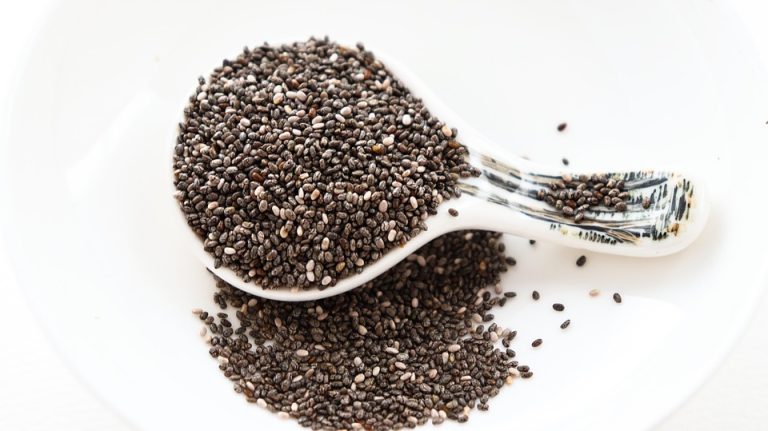
- Black Chia Seeds: The most common variety found in bulk bins and standard grocery bags. They offer a striking visual contrast when added to light-colored foods.
- White Chia Seeds: Often selected by home cooks who want a seamless aesthetic in white puddings, clear beverages, or smooth blended sauces where dark specks might be visually distracting.
Evaluating Freshness at the Market
Because chia seeds are rich in polyunsaturated fats, they can theoretically go rancid if exposed to excessive heat, light, or oxygen over long periods.
- Check the Packaging: Opt for bags with airtight seals, resealable zippers, or opaque containers that block out ultraviolet light.
- Sniff Test: Fresh seeds should have a neutral, nearly odorless scent. If you detect a sharp, bitter, or paint-like odor, the fats have oxidized, and the product is past its prime.
Culinary Mechanics: Hydration and Texture Control
The defining characteristic of chia seeds is their hydrophilic nature—their love for water. They can absorb up to 12 times their weight in liquid. Managing this absorption process is the secret to moving from unpalatable clumps to delicious, cohesive meals.
The Gelation Process
When liquid surrounds a chia seed, the soluble fiber on its outer layer expands into a mucilaginous coating. If you add dry seeds directly to a thick liquid without stirring, the outer layer hydrates instantly, trapping dry seeds in the center and forming hard, unchewable lumps.
To avoid clumping:
- The Rain Method: Sprinkle seeds slowly over a liquid while whisking vigorously with a fork or small whisk.
- The Shake Method: Combine seeds and liquid in a sealed mason jar, secure the lid, and shake vigorously for 30 seconds, then let it rest for five minutes before shaking once more.
Everyday Culinary Integration Strategies
You do not need to restrict chia seeds to sweet breakfast puddings. Their neutral, nutty flavor profile allows them to act as a functional ingredient across various culinary applications throughout the day.
1. Savory Soup and Stew Thickeners
Instead of using refined flours or cornstarch slurries to add body to brothy vegetable soups or chili, let ground or whole chia seeds work quietly in the background.
- How-to: Stir one tablespoon of ground chia into a simmering pot of lentil soup during the final ten minutes of cooking. The seeds will absorb excess moisture, lending a velvety body without altering the savory flavor profile.
2. Egg Alternatives in Baked Goods
If you are baking plant-based treats or simply ran out of eggs, a “chia egg” serves as an effective binding agent in quick breads, pancakes, and muffins.
- The Ratio: Combine one tablespoon of finely ground chia seeds with three tablespoons of water. Whisk together and let the mixture sit undisturbed on the counter for 5 to 7 minutes until it forms a thick, gelatinous paste. Use this mixture to replace one large egg in your baking formulas.
3. Crusts and Crispy Coatings
Mix whole white or black seeds into dry breadcrumb blends when preparing oven-baked zucchini fries, tofu cubes, or chicken tenders. The seeds add a delightful crunch and boost the fiber content of otherwise standard comfort foods.
Proper Storage for Long-Term Shelf Stability
Protecting your investment in bulk ingredients requires mindful storage practices. Because dry chia seeds have a low moisture content, they resist spoiling for a long time if kept in optimal environments.
- Pantry Storage: Keep your seeds in a cool, dark cupboard away from the stove or oven, where temperature fluctuations can degrade the delicate oils. Use a glass jar with a tight-fitting gasket lid.
- Refrigerator or Freezer Storage: If you live in a humid climate or purchased a massive bulk bag, portioning your supply into a freezer-safe container extends freshness for up to two years. There is no need to thaw frozen seeds before using them; they can go straight from the freezer into your morning liquid mixes.
Frequently Asked Questions
Do I need to grind chia seeds before eating them to get their nutrients?
No. Unlike flaxseeds, which feature a hard, impenetrable hull that passes through the human digestive tract intact unless milled, whole chia seeds are easily digested by most people. Their outer coat softens significantly when hydrated, allowing your body to access the internal nutrients, proteins, and healthy fats. However, grinding them can be useful if you prefer a smooth texture in baked goods or sauces.
Can eating too many chia seeds cause digestive discomfort?
Yes, especially if you introduce them into your diet too quickly. Because they are exceptionally high in dietary fiber and absorb large amounts of water, consuming large quantities without drinking enough extra fluids can lead to bloating, gas, or mild cramping. Start with one teaspoon per day and gradually increase your intake over a couple of weeks, ensuring you drink plenty of water alongside them.
Are chia seeds suitable for individuals managing blood sugar levels?
Chia seeds are a nutrient-dense food that provides a combination of fiber, protein, and healthy fats, which slows down digestion and the subsequent absorption of carbohydrates into the bloodstream. While they can be a healthy addition to balanced meals, individuals with specific metabolic conditions or those monitoring blood glucose should consult a registered dietitian or healthcare provider for personalized dietary advice.
Can I feed chia seeds to young children?
Whole, dry chia seeds can pose a choking hazard because they absorb liquid rapidly and expand. If offering them to young children, always ensure they are thoroughly pre-soaked in a generous amount of liquid—such as in a smooth pudding or fully blended into a puree—so they do not swell inside the esophagus.
How much water should I drink when consuming chia seeds?
As a general rule of thumb, for every tablespoon of dry chia seeds you consume, aim to drink an extra eight ounces of water, particularly if you are eating them unsoaked. This ensures that the seeds hydrate properly within your digestive tract, promoting smooth digestion and preventing discomfort.