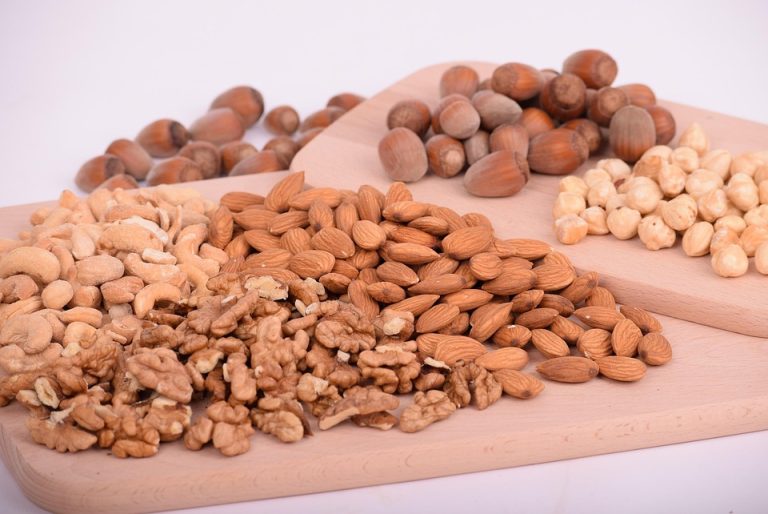


Navigating the nuances of how our bodies react to what we eat can feel like solving a complex puzzle. When a meal leaves you feeling less than stellar, it is easy to lump every negative physical response under a broad umbrella. However, understanding the distinct physiological pathways behind adverse reactions to food is essential for your well-being. In everyday conversation, people frequently use terms like "allergy," "intolerance," and "sensitivity" interchangeably. Yet, from a physiological standpoint, they describe entirely different bodily mechanisms. Unraveling these differences helps you approach digestive wellness with clarity, ensuring you seek the right guidance without resorting to unnecessary dietary restrictions. The Spectrum of Adverse Food Reactions When your body reacts poorly to a food item, the response typically originates in one of two main systems: the immune system or the digestive system. Recognizing this fundamental split is the first step toward understanding your symptoms. The Immune System's Role in Food Allergies A true food allergy is an immune system response. In this scenario, your body mistakenly identifies a harmless protein in a specific food—such as peanuts, shellfish, milk, or eggs—as a dangerous invader. Upon first exposure, the immune system creates specific antibodies known as Immunoglobulin E (IgE). When that food is consumed again, these antibodies trigger a rapid cascade of immune chemicals, most notably histamine. Speed of onset: Symptoms usually appear rapidly, ranging from a few seconds to a couple of hours after ingestion. Severity: Reactions can range from mild hives and swelling to severe, life-threatening anaphylaxis, …
Navigating the nuances of how our bodies react to what we eat can feel like solving a complex puzzle. When a meal leaves you feeling less than stellar, it is easy to lump every negative physical response under a broad umbrella. However, understanding the distinct physiological pathways behind adverse reactions to food is essential for your well-being.
In everyday conversation, people frequently use terms like “allergy,” “intolerance,” and “sensitivity” interchangeably. Yet, from a physiological standpoint, they describe entirely different bodily mechanisms. Unraveling these differences helps you approach digestive wellness with clarity, ensuring you seek the right guidance without resorting to unnecessary dietary restrictions.
The Spectrum of Adverse Food Reactions
When your body reacts poorly to a food item, the response typically originates in one of two main systems: the immune system or the digestive system. Recognizing this fundamental split is the first step toward understanding your symptoms.
The Immune System’s Role in Food Allergies
A true food allergy is an immune system response. In this scenario, your body mistakenly identifies a harmless protein in a specific food—such as peanuts, shellfish, milk, or eggs—as a dangerous invader.
Upon first exposure, the immune system creates specific antibodies known as Immunoglobulin E (IgE). When that food is consumed again, these antibodies trigger a rapid cascade of immune chemicals, most notably histamine.
- Speed of onset: Symptoms usually appear rapidly, ranging from a few seconds to a couple of hours after ingestion.
- Severity: Reactions can range from mild hives and swelling to severe, life-threatening anaphylaxis, which requires immediate emergency medical intervention.
- Common culprits: Cow’s milk, eggs, peanuts, tree nuts, wheat, soy, fish, and crustacean shellfish account for the vast majority of true food allergies.
Non-Allergic Reactions: Intolerances and Sensitivities
In contrast, food intolerances and sensitivities do not directly involve the immune system. Instead, they are typically rooted in the digestive or metabolic systems.
An intolerance usually occurs when your digestive tract lacks the specific enzymes required to break down a food component properly. A classic example is lactose intolerance, where the body produces insufficient amounts of the lactase enzyme needed to digest the sugar found in dairy products.
Food sensitivities are a broader, less rigidly defined category. While they also avoid the dangerous IgE-mediated pathways of true allergies, they can manifest as delayed, uncomfortable gastrointestinal or systemic symptoms. Because the pathways are different, an intolerance or sensitivity does not carry the risk of anaphylaxis, though it can certainly impact daily comfort and quality of life.
Comparing Mechanisms: Allergy vs. Intolerance vs. Sensitivity
To make sense of these overlapping concepts, it helps to examine how they differ across key operational categories:
| Feature | Food Allergy | Food Intolerance | Food Sensitivity |
|---|---|---|---|
| Primary System Involved | Immune System (IgE mediated) | Digestive / Metabolic System | Often varied, non-IgE mechanisms |
| Onset Speed | Immediate (Minutes to 2 hours) | Delayed (Hours) | Delayed (Hours to days) |
| Potential Severity | Can be severe or life-threatening (Anaphylaxis) | Uncomfortable, non-life-threatening | Uncomfortable, non-life-threatening |
| Trigger Mechanism | Antibodies reacting to food proteins | Enzyme deficiencies or chemical sensitivities | Varied, often cumulative physiological responses |
Recognizing Common Symptom Patterns
Because adverse food reactions affect different body systems, the resulting physical cues vary widely. Learning to observe your body’s patterns—rather than jumping to conclusions—is a cornerstone of digestive wellness.
Gastrointestinal Clues
When digestion is less than smooth, it often communicates through the gut. People frequently report:
- Abdominal bloating and distension
- Excess gas and cramping
- Changes in bowel habits, such as occasional loose stools or sluggishness
- A general sense of heavy, uncomfortable abdominal fullness after eating
Non-Digestive Manifestations
Intolerances and sensitivities can sometimes present outside the gut. For instance, non-celiac gluten sensitivity or reactions to certain food additives (such as sulfites or artificial sweeteners) have been associated by individuals with:
- Mild, lingering headaches
- A general feeling of physical fatigue
- Skin-related changes, such as minor flushing or localized irritation
Note: Similar symptoms can stem from a wide array of factors, including stress, hydration levels, sleep quality, and underlying medical conditions. Experiencing a symptom after eating does not automatically prove that the food is uniquely responsible.
Practical Ways to Evaluate Your Eating Patterns
If you suspect certain foods are not agreeing with you, taking a methodical, calm approach is far more effective than launching into drastic, unguided elimination diets.
1. Maintain a Detailed Food and Symptom Diary
For a week or two, record everything you eat and drink, along with the approximate times. Simultaneously, note any physical discomforts, their intensity, and when they occurred. This log helps reveal genuine patterns rather than relying on guesswork.
2. Examine Ingredients and Portion Sizes
Sometimes, discomfort is not about a specific food group, but rather the sheer volume consumed, or the presence of specific additives, high-FODMAP ingredients, or sugar alcohols like sorbitol and xylitol.
3. Consult a Healthcare Professional
If your symptoms are persistent, recurring, or impacting your daily life, schedule an evaluation with a doctor, registered dietitian, or gastroenterologist. They can help rule out underlying gastrointestinal disorders, celiac disease, or true IgE-mediated allergies through appropriate clinical evaluations.
Maintaining Nutritional Balance
When exploring digestive wellness, the goal should always be supporting your body, not starving it of vital nutrients.
- Emphasize Dietary Variety: Do not eliminate entire food groups (like dairy, grains, or legumes) based on a hunch. Restrictive diets can inadvertently lead to nutritional gaps.
- Prioritize Whole Foods: Build meals around vibrant vegetables, quality proteins, healthy fats, and minimally processed complex carbohydrates.
- Hydrate Adequately: Water plays an irreplaceable role in comfortable digestion and overall metabolic function.
- Work with Professionals: If an elimination approach is genuinely warranted—such as testing for specific intolerances—do so under the guidance of a nutrition expert to ensure your meals remain balanced and nourishing.
Conclusion
Understanding the boundaries between food allergies, intolerances, and sensitivities empowers you to take charge of your health with confidence and precision. By looking past internet myths and focusing on how your unique digestive system responds to meals, you can build a sustainable, nourishing relationship with food. Always remember that persistent or concerning symptoms deserve professional medical evaluation to ensure you receive accurate guidance tailored to your body.
Frequently Asked Questions
Can a food intolerance turn into a true food allergy over time?
Generally, no. Food intolerances and true food allergies operate through entirely different physiological pathways. An enzyme deficiency (like lactose intolerance) does not transform into an IgE-mediated immune response. However, people can develop new allergies or intolerances at various stages of life for reasons that researchers are still fully working to understand.
Why do some people react to a food only when they eat a large amount?
This is a hallmark of many food intolerances and chemical sensitivities. The digestive tract or metabolic pathways often have a specific threshold capacity. A tiny amount of the offending substance may be processed without noticeable trouble, while a larger portion overwhelms the body’s capacity, leading to discomfort.
Are over-the-counter food sensitivity tests reliable?
Many commercial home-tests that measure various antibodies (such as IgG) to diagnose food sensitivities lack robust scientific validation and are not generally recommended by major medical organizations. A qualified healthcare professional can help guide you toward evidence-based diagnostic steps if persistent symptoms require investigation.
Is it safe to completely cut out wheat if I feel bloated after eating bread?
Not necessarily. While some individuals experience discomfort from wheat, bloating can also stem from eating too quickly, swallowing excess air, stress, or a sensitivity to certain fermentable carbohydrates (FODMAPs) found in many foods. Eliminating wheat without understanding the root cause may lead to unnecessary dietary restriction and missed nutrients.
When should I seek emergency medical help for a food reaction?
You should seek immediate emergency medical attention if you experience signs of a severe allergic reaction (anaphylaxis), which can include difficulty breathing, swelling of the lips, tongue, or throat, widespread hives, a rapid pulse, dizziness, or a feeling of lightheadedness shortly after eating.
SEO Meta Description: Explore the key differences between food allergies, intolerances, and sensitivities. Learn how to recognize symptoms, evaluate patterns, and support digestive wellness.