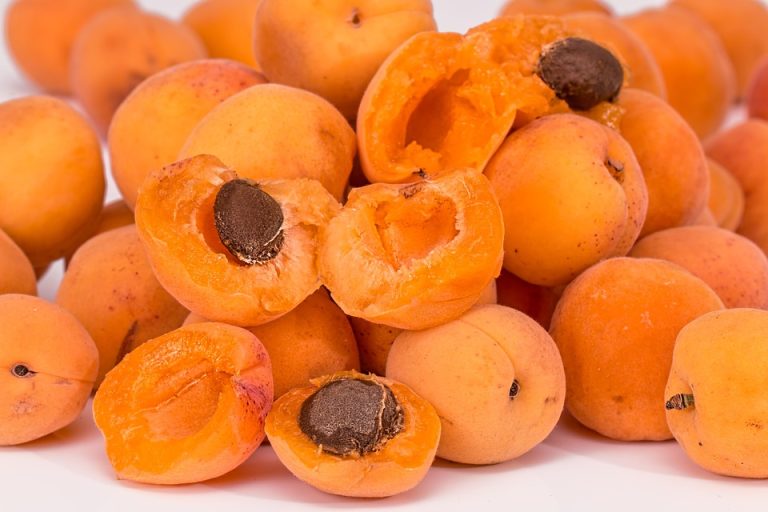


Meta Description: Discover how to select, preserve, and integrate fresh produce into your daily meals with expert shopping tips, storage secrets, and balanced nutrition advice. Walking through the grocery store produce aisle can feel like visiting a vibrant open-air market. The colors are striking, the displays are meticulously stacked, and the variety seems endless. Yet, bridging the gap between buying vibrant greens and root vegetables with enthusiasm and actually transforming them into satisfying weekday meals requires a bit of strategy. Mastering the lifecycle of fresh produce—from the moment you pick an item off the shelf to the final plating at the dinner table—transforms how you experience whole foods. It is not just about eating your vitamins; it is about reducing food waste, enhancing natural flavors, and making healthy eating an effortless part of your daily routine. Decoding the Produce Section: Selection Strategies Quality nutrition begins long before you turn on your stove. The healthfulness of a plant-based diet heavily relies on the physical condition of the ingredients you bring home. Nutrient retention and peak flavor often correlate directly with ripeness and freshness at the time of purchase. Reading Nature’s Signals Every fruit and vegetable communicates its readiness differently. Developing an eye for quality prevents disappointment later in the kitchen: Leafy Greens: Look for crisp, vibrant leaves without wilting, yellowing, or excessive moisture trapped inside packaging. Avoid bunches with slimy spots or bruised stems. Root Vegetables: Carrots, beets, and radishes should feel firm and heavy for their size. If the greens …
Meta Description: Discover how to select, preserve, and integrate fresh produce into your daily meals with expert shopping tips, storage secrets, and balanced nutrition advice.
Walking through the grocery store produce aisle can feel like visiting a vibrant open-air market. The colors are striking, the displays are meticulously stacked, and the variety seems endless. Yet, bridging the gap between buying vibrant greens and root vegetables with enthusiasm and actually transforming them into satisfying weekday meals requires a bit of strategy.
Mastering the lifecycle of fresh produce—from the moment you pick an item off the shelf to the final plating at the dinner table—transforms how you experience whole foods. It is not just about eating your vitamins; it is about reducing food waste, enhancing natural flavors, and making healthy eating an effortless part of your daily routine.
Decoding the Produce Section: Selection Strategies
Quality nutrition begins long before you turn on your stove. The healthfulness of a plant-based diet heavily relies on the physical condition of the ingredients you bring home. Nutrient retention and peak flavor often correlate directly with ripeness and freshness at the time of purchase.
Reading Nature’s Signals
Every fruit and vegetable communicates its readiness differently. Developing an eye for quality prevents disappointment later in the kitchen:
- Leafy Greens: Look for crisp, vibrant leaves without wilting, yellowing, or excessive moisture trapped inside packaging. Avoid bunches with slimy spots or bruised stems.
- Root Vegetables: Carrots, beets, and radishes should feel firm and heavy for their size. If the greens are still attached, they should look fresh, not limp or rotting.
- Citrus and Tree Fruit: A gentle squeeze should reveal a hint of give without feeling soft or mushy. Notice the aroma near the stem; a sweet, fragrant scent usually indicates optimal ripeness.
- Cruciferous Vegetables: Broccoli and cauliflower heads should feature tightly closed, compact florets with no signs of yellowing or dark mold patches.
Seasonal Awareness
While modern supply chains make almost everything available year-round, aligning your cart with seasonal changes offers distinct advantages. Produce harvested in its natural season typically requires less artificial ripening and often boasts superior taste profiles. Embracing seasonal rotation also naturally diversifies your micronutrient intake over the course of the year.
The Home Preservation Blueprint: Storage Secrets
Even the highest-quality ingredients lose their appeal if improperly stored. Moisture management and temperature control are the two primary pillars of produce longevity.
Mastering Humidity Zones
Most modern refrigerators feature distinct crisper drawers designed to control airflow and humidity. Understanding how to utilize these zones dramatically extends the life of your groceries:
- High Humidity: Ideal for moisture-loving items like leafy greens, herbs, carrots, and cucumbers. These environments prevent wilting by locking in hydration.
- Low Humidity: Best suited for ethylene-producing fruits like apples, pears, and stone fruits. Keeping these items slightly drier prevents premature breakdown and spoilage.
The Ethylene Factor
Certain fruits—such as bananas, avocados, tomatoes, and peaches—release ethylene gas, a natural plant hormone that accelerates ripening. Storing these items away from delicate greens, berries, and root vegetables protects your more sensitive produce from turning prematurely overripe or bitter.
For optimal results, keep ethylene producers on the counter until ripe, then transfer them to the refrigerator to slow down further softening if necessary.
Transforming Whole Ingredients Into Practical Daily Meals
Bringing vegetables and fruits into your daily rotation does not require complicated culinary techniques. The secret lies in simple, repeatable preparation methods that highlight natural textures and flavors.
Elevated Weekday Combinations
Integrating more plant foods into your routine becomes second nature when you pair them with complementary pantry staples:
- Roasted Root Medleys: Toss cubed sweet potatoes, parsnips, and red onions in olive oil, sea salt, and dried rosemary. High-heat roasting caramelizes their natural sugars, creating a rich side dish or grain-bowl base.
- Raw Citrus and Bitter Greens: Combine torn lacinato kale or arugula with segmented grapefruit or oranges, toasted walnuts, and a light lemon-vinaigrette. The acidity of the citrus softens the robust texture of the greens while balancing earthy notes.
- Quick-Sautéed Aromatics: Build instant flavor foundations for soups and grain dishes by quickly rendering minced garlic, shallots, and diced celery in olive oil before adding broth or whole grains.
Meal-Prep Efficiency
Washing, drying, and chopping resilient vegetables immediately after a grocery trip removes the friction of cooking on busy weeknights. Store prepped bell peppers, celery sticks, and washed salad greens in clear, breathable containers so they are front-and-center when hunger strikes.
Navigating Nutrition: Quality, Variety, and Balance
Focusing exclusively on a single “superfood” often misses the broader picture of healthy eating. Human nutrition thrives on synergy—the way different vitamins, minerals, phytonutrients, and dietary fibers work together within the body.
Eating Across the Color Spectrum
Different pigments in fruits and vegetables correspond to specific antioxidant compounds:
- Red and Pink: Often indicate the presence of lycopene or anthocyanins.
- Orange and Yellow: Usually signal high levels of beta-carotene and vitamin C.
- Deep Green: Frequently point to folate, iron, magnesium, and lutein.
- Blue and Purple: Highlight unique flavonoid profiles that support cellular health.
Aiming for a colorful plate naturally encourages a broader range of micronutrients without requiring rigid tracking or complicated dietary rules.
Incorporating Healthy Fats for Optimal Absorption
Certain essential nutrients—specifically fat-soluble vitamins like A, D, E, and K—require dietary fat for optimal uptake by the body. Pairing your vegetables with wholesome fat sources enhances nutrient utilization. Simple additions, such as drizzling extra virgin olive oil over roasted asparagus, tossing sliced avocado into a spinach salad, or adding pumpkin seeds to a warm grain bowl, make your meals both more satisfying and nutritionally complete.
Conclusion
Elevating your relationship with fresh produce is a gradual process built on simple, sustainable habits. By refining how you select items at the market, managing proper storage conditions at home, and experimenting with straightforward culinary combinations, whole foods become the natural centerpiece of a balanced diet. Focus on variety, respect the natural lifecycle of your groceries, and enjoy the vibrant flavors that wholesome eating brings to your table.
Frequently Asked Questions
How can I keep leafy greens fresh for more than a few days?
Excess moisture is the primary enemy of leafy greens. After purchasing, gently wash them if necessary, but ensure they are thoroughly dried using a salad spinner or paper towels. Store them in a breathable container lined with a dry paper towel to absorb any residual condensation, which prevents sliminess and wilting.
Is frozen produce just as nutritious as fresh?
Yes. Frozen fruits and vegetables are typically harvested at peak ripeness and flash-frozen within hours, which locks in their vitamin and mineral content. They are an excellent, budget-friendly alternative—especially for out-of-season items or quick weeknight meal preparation.
Why do some fruits cause other produce to spoil faster?
Certain fruits, including bananas, apples, avocados, and tomatoes, produce high levels of ethylene gas. When stored in close quarters with ethylene-sensitive items like berries, broccoli, or leafy greens, the gas accelerates the ripening and decay process. Keeping these items separated protects the shelf life of your entire grocery haul.
Should I wash all fruits and vegetables immediately after bringing them home?
It is generally best to wash produce right before you plan to prep or consume it, rather than immediately after grocery shopping. Introducing moisture before storage can encourage mold growth and spoilage. The only exception is sturdy produce that you intend to dry completely and prep for immediate cooking or snacking.
How can I encourage family members to eat more vegetables?
Focus on preparation methods that enhance texture and natural sweetness, such as roasting, caramelizing, or light grilling rather than plain steaming. Involving household members in the shopping process and offering familiar dips or flavorful grain-bowl toppings can also make plant-based options much more approachable.
What should I do with slightly overripe vegetables?
Overripe or slightly limp vegetables do not need to go to waste. Softer bell peppers, carrots, celery, and greens can be repurposed into nutrient-dense vegetable stocks, blended into hearty soups, or roasted into savory purees and sauces.