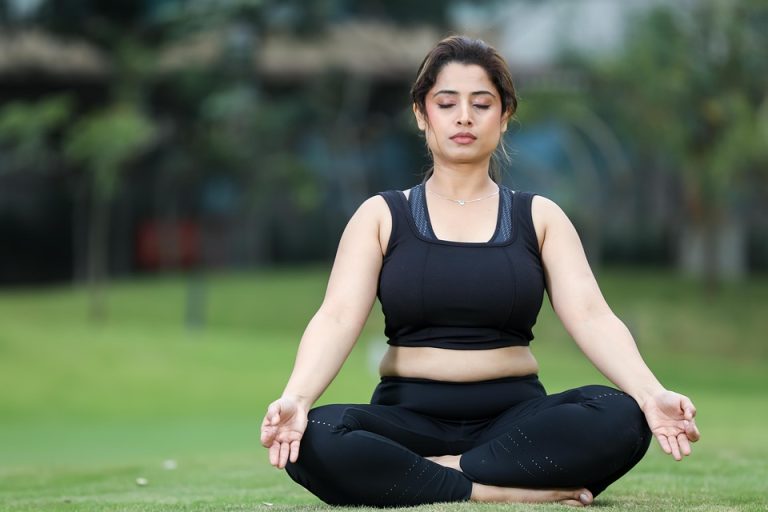


When you hear the word "wellness," what comes to mind? For many, the image is immediate: green smoothies, expensive yoga studios, or rigid meditation schedules. It is easy to view wellness as an exclusive club reserved for those with endless free time and disposable income. However, true wellness is far more accessible, flexible, and grounded in everyday reality. It is not about achieving a state of perfection or following a strict, punishing routine. Instead, wellness is an active, ongoing process of making choices that lead toward a more balanced, healthy, and fulfilling life. At The Health Care, we believe that understanding the fundamentals of daily wellness can empower you to take charge of your personal health journey without feeling overwhelmed. Let's explore what wellness actually means and how you can cultivate it on your own terms. What Is Wellness, Really? To understand wellness, it helps to distinguish it from the broader concept of health. While health often refers to the absence of disease and the physical functioning of the body, wellness is multidimensional. It encompasses how you live, how you manage stress, how you connect with others, and how you find meaning in your days. The World Health Organization defines health as a state of complete physical, mental, and social well-being. Wellness builds on this by emphasizing action. It is a conscious choice to move toward a higher quality of life. The Pillars of Holistic Wellness Wellness is best viewed through a holistic lens. When one area of life is …
When you hear the word “wellness,” what comes to mind? For many, the image is immediate: green smoothies, expensive yoga studios, or rigid meditation schedules. It is easy to view wellness as an exclusive club reserved for those with endless free time and disposable income.
However, true wellness is far more accessible, flexible, and grounded in everyday reality. It is not about achieving a state of perfection or following a strict, punishing routine. Instead, wellness is an active, ongoing process of making choices that lead toward a more balanced, healthy, and fulfilling life.
At The Health Care, we believe that understanding the fundamentals of daily wellness can empower you to take charge of your personal health journey without feeling overwhelmed. Let’s explore what wellness actually means and how you can cultivate it on your own terms.
What Is Wellness, Really?
To understand wellness, it helps to distinguish it from the broader concept of health. While health often refers to the absence of disease and the physical functioning of the body, wellness is multidimensional. It encompasses how you live, how you manage stress, how you connect with others, and how you find meaning in your days.
The World Health Organization defines health as a state of complete physical, mental, and social well-being. Wellness builds on this by emphasizing action. It is a conscious choice to move toward a higher quality of life.
The Pillars of Holistic Wellness
Wellness is best viewed through a holistic lens. When one area of life is neglected, other areas often feel the strain. While different frameworks exist, most experts agree that wellness rests upon several interconnected pillars:
- Physical Wellness: Caring for your body through balanced nutrition, regular movement, adequate sleep, and routine medical checkups.
- Mental and Emotional Wellness: Acknowledging and processing emotions, managing everyday stress, and maintaining a healthy, compassionate internal dialogue.
- Social Wellness: Building and nurturing supportive relationships with family, friends, and your broader community.
- Environmental Wellness: Creating living and working spaces that promote safety, calm, and well-being.
- Intellectual Wellness: Engaging in lifelong learning, creative outlets, and activities that stimulate curiosity.
Physical Wellness: Moving Beyond the Gym
Physical wellness is often the starting point for many people, yet it is also the area most prone to extreme trends. Social media is flooded with intense workout regimens and restrictive diets that promise rapid transformations. Unfortunately, these approaches are rarely sustainable.
Sustainable physical wellness is about consistency, not intensity. It focuses on fueling your body with nutritious foods while still enjoying your favorite treats, and finding movement that brings you joy rather than punishment.
Practical Steps for Everyday Physical Vitality
You do not need to spend hours in a gym to improve your physical well-being. Small, daily habits accumulate over time to create profound results:
- Prioritize Restorative Sleep: Aim for seven to nine hours of quality sleep per night. Sleep is when the body repairs tissues, consolidates memories, and regulates hormones.
- Find Movement You Enjoy: Whether it is brisk walking, dancing in your living room, swimming, or weightlifting, the best exercise is the one you will actually stick with.
- Hydrate Mindfully: Keep a water bottle nearby throughout the day to support cognitive function, digestion, and energy levels.
- Focus on Whole Foods: Incorporate a colorful variety of fruits, vegetables, whole grains, and lean proteins into your meals to provide your body with essential micronutrients.
Mental and Emotional Resilience
In a fast-paced world, mental and emotional wellness is more important than ever. Stress is a normal part of the human experience; in manageable amounts, it can even motivate us. However, chronic, unmanaged stress can take a heavy toll on both the mind and the body.
Cultivating emotional wellness does not mean feeling happy all the time. True resilience is the ability to navigate difficult emotions, bounce back from setbacks, and maintain a sense of perspective when life throws unexpected challenges your way.
Simple Ways to Reduce Daily Stress
Incorporating micro-practices into your daily routine can help calm the nervous system and build long-term emotional resilience:
- Practice Mindful Breathing: Taking just two minutes to focus on slow, deep breaths can signal your brain to lower stress hormones.
- Set Healthy Boundaries: Learn to say no to commitments that drain your energy and do not align with your core values or capacity.
- Limit Screen Time: Constant exposure to news and social media can increase anxiety. Designate tech-free zones or times during your day to disconnect.
- Express Gratitude: Taking a moment each day to write down three things you appreciate can shift your focus from what is lacking to what is abundant in your life.
The Power of Habit Formation
Many people struggle with wellness because they try to change everything at once. They overhaul their diet, commit to waking up at 5:00 AM, and pledge to meditate daily—only to burn out within a week.
Lasting wellness is built through small, incremental changes, often referred to as micro-habits.
The Strategy of Tiny Changes
Instead of setting massive, intimidating goals, try these strategies to build sustainable routines:
- Start Ridiculously Small: If you want to start reading more, commit to reading just one page a day. If you want to exercise, commit to a five-minute walk. Often, the hardest part is simply starting.
- Use Habit Stacking: Attach a new habit to an existing one. For example, do five minutes of stretching right after you brush your teeth in the morning.
- Focus on Systems, Not Goals: Instead of focusing solely on a distant outcome, focus on the daily systems and routines that make that outcome a natural byproduct.
Common Wellness Myths to Leave Behind
As you navigate your personal wellness journey, it helps to be aware of common misconceptions that can derail your progress:
- Myth: Wellness is expensive. Truth: Walking outside, drinking tap water, sleeping enough, and practicing deep breathing cost nothing.
- Myth: You must eliminate entire food groups. Truth: Unless medically necessary, restrictive diets often lead to nutrient deficiencies and an unhealthy relationship with food. Balance and moderation are far more effective.
- Myth: Self-care is selfish. Truth: Taking time to rest and recharge is essential. You cannot pour from an empty cup.
- Myth: Wellness is a destination. Truth: Wellness is not a checkbox you complete. It is a lifelong practice of tuning into your body’s needs and adjusting your habits accordingly.
Key Takeaways
- Wellness is Holistic: It encompasses physical, mental, emotional, and social well-being, going far beyond just physical health.
- Consistency Trumps Intensity: Small, daily habits are much more sustainable and effective than extreme, short-term overhauls.
- Listen to Your Body: True wellness involves tuning into your unique needs rather than following rigid, one-size-fits-all trends.
- Rest is Productive: Quality sleep and stress management are foundational pillars of a healthy, balanced lifestyle.
- Progress Over Perfection: Embrace setbacks as a normal part of the journey and focus on making sustainable, long-term choices.
Frequently Asked Questions (FAQs)
1. What is the difference between health and wellness?
Health typically refers to the physical state of the body and the absence of disease. Wellness, on the other hand, is an active, conscious process of making choices that lead toward a balanced, fulfilling life across physical, mental, and social dimensions.
2. How can I start a wellness routine if I am extremely busy?
Start by integrating micro-habits into your current schedule. This could mean taking a 10-minute walk during your lunch break, practicing five minutes of deep breathing before bed, or drinking a glass of water first thing in the morning. Consistency matters far more than duration.
3. Do I need expensive supplements to achieve wellness?
No. Most people can meet their nutritional needs through a balanced diet rich in whole foods, vegetables, fruits, and lean proteins. Supplements should generally be used to fill specific nutrient gaps under the guidance of a qualified healthcare professional.
4. How much sleep do I really need each night?
Most adults require between seven and nine hours of quality sleep per night for optimal physical and mental recovery, though individual needs can vary slightly based on age, lifestyle, and health status.
5. What should I do if I feel overwhelmed by wellness advice?
Take a step back and simplify. Ignore trends and focus on the basics: adequate sleep, nourishing food, regular movement, and stress management. Choose one small, manageable change to focus on at a time.