

SEO Meta Description: Discover how fructose malabsorption impacts digestive wellness. Learn to identify symptom patterns, manage fruit sugars wisely, and maintain a balanced diet. For many people, enjoying a crisp apple, a bowl of fresh cherries, or a drizzle of honey is a refreshing part of daily nutrition. However, individuals dealing with persistent abdominal bloating, gas, or cramping after eating certain fruits and sweeteners often find themselves searching for answers. When the body struggles to process simple fruit sugars efficiently, it can lead to a condition known as fructose malabsorption. Understanding how the digestive tract handles specific carbohydrates empowers you to make informed choices at the meal table without unnecessarily cutting out entire food groups. Exploring the mechanics of sugar absorption, recognizing personal symptom patterns, and adopting thoughtful dietary strategies can help restore daily digestive comfort. How the Small Intestine Processes Fructose To understand why certain sweet foods cause discomfort, it helps to look at the digestive process. Fructose is a simple sugar, or monosaccharide, found naturally in fruits, honey, root vegetables, and added sweeteners like high-fructose corn syrup. Under normal circumstances, specialized transport proteins—primarily one known as GLUT5—line the small intestine to absorb fructose directly into the bloodstream. When these transporters work efficiently, fructose is smoothly processed and utilized for energy. However, in individuals with fructose malabsorption, transport capacity is limited. When more fructose enters the small intestine than the available proteins can handle, the excess unabsorbed sugar travels further down the digestive tract into the large intestine. There, …
SEO Meta Description: Discover how fructose malabsorption impacts digestive wellness. Learn to identify symptom patterns, manage fruit sugars wisely, and maintain a balanced diet.
For many people, enjoying a crisp apple, a bowl of fresh cherries, or a drizzle of honey is a refreshing part of daily nutrition. However, individuals dealing with persistent abdominal bloating, gas, or cramping after eating certain fruits and sweeteners often find themselves searching for answers. When the body struggles to process simple fruit sugars efficiently, it can lead to a condition known as fructose malabsorption.
Understanding how the digestive tract handles specific carbohydrates empowers you to make informed choices at the meal table without unnecessarily cutting out entire food groups. Exploring the mechanics of sugar absorption, recognizing personal symptom patterns, and adopting thoughtful dietary strategies can help restore daily digestive comfort.
How the Small Intestine Processes Fructose
To understand why certain sweet foods cause discomfort, it helps to look at the digestive process. Fructose is a simple sugar, or monosaccharide, found naturally in fruits, honey, root vegetables, and added sweeteners like high-fructose corn syrup.
Under normal circumstances, specialized transport proteins—primarily one known as GLUT5—line the small intestine to absorb fructose directly into the bloodstream. When these transporters work efficiently, fructose is smoothly processed and utilized for energy.
However, in individuals with fructose malabsorption, transport capacity is limited. When more fructose enters the small intestine than the available proteins can handle, the excess unabsorbed sugar travels further down the digestive tract into the large intestine. There, resident gut bacteria rapidly ferment the leftover sugar. This fermentation process produces hydrogen and methane gases, along with short-chain fatty acids, which can trigger symptoms such as:
- Noticeable abdominal distension and bloating
- Excessive gas and flatulence
- Cramping or lower abdominal discomfort
- Irregular bowel habits, ranging from loose stools to constipation
Because transport capacity varies from person to person, some individuals can tolerate small amounts of fructose without issue, while larger quantities provoke strong symptoms.
Fructose Malabsorption vs. Hereditary Fructose Intolerance
It is crucial to distinguish dietary fructose malabsorption from a rare genetic condition called hereditary fructose intolerance (HFI).
- Fructose Malabsorption: This is a common, functional digestive issue where the small intestine has difficulty absorbing fructose. It does not cause organ damage, and management typically involves adjusting portion sizes and balancing meals.
- Hereditary Fructose Intolerance: This is a serious, inherited metabolic disorder caused by a deficiency of the enzyme needed to break down fructose inside the liver. It is usually diagnosed in infancy when fruit or table sugar is introduced, and it requires strict, lifelong medical supervision and complete avoidance of fructose and sucrose.
Confusing the two can lead to unnecessary panic or, conversely, dangerous dietary choices. Anyone experiencing severe or systemic metabolic symptoms should seek a proper evaluation from a qualified healthcare professional.
Identifying Potential Dietary Triggers
Pinpointing the exact cause of digestive discomfort can be challenging because similar symptoms often stem from various sources, such as fiber intake, stress, rapid eating, or other digestive sensitivities. Rather than guessing or jumping to restrictive conclusions, a methodical approach is most effective.
Keeping a Food and Symptom Journal
Tracking what you eat alongside any physical reactions for two to three weeks can reveal meaningful patterns. Note the specific foods consumed, portion sizes, timing of meals, and the exact nature and timing of any symptoms.
Examining Sugar Ratios
An important nuance in fructose digestion is the presence of glucose. Glucose actually helps the small intestine absorb fructose more efficiently. Foods where glucose and fructose are present in roughly equal amounts—such as bananas or white potatoes—are often better tolerated than foods where fructose is present in excess.
Common Foods and Ingredients to Evaluate
Rather than viewing certain foods as universally “bad,” it is helpful to understand their natural sugar profiles. Individual tolerance thresholds dictate how much of any given item you can comfortably enjoy.
High-Fructose Foods and Sweeteners
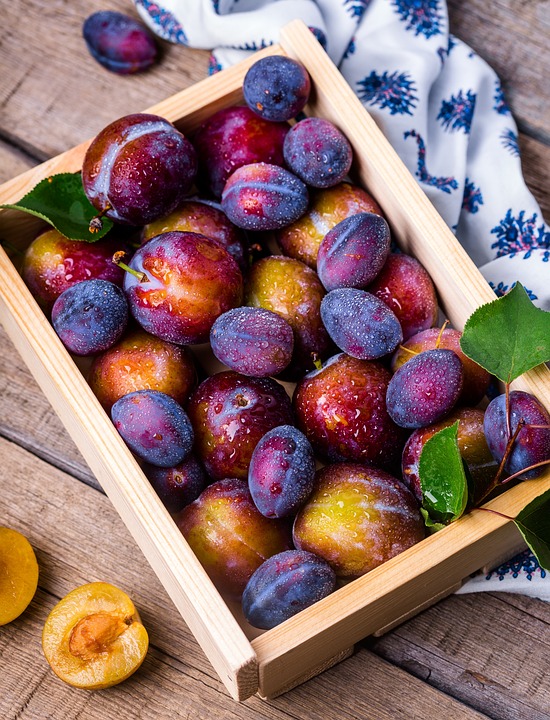
- Fruits: Apples, pears, watermelon, mangos, cherries, and dried fruits like raisins and figs.
- Sweeteners: Honey, agave nectar, and high-fructose corn syrup commonly found in processed beverages and snacks.
- Vegetables: Sugar snap peas, asparagus, and globe artichokes in larger quantities.
Lower-Fructose Alternatives and Balanced Choices
- Fruits with Favorable Ratios: Strawberries, blueberries, raspberries, oranges, lemons, limes, and cantaloupe generally contain lower excess fructose levels.
- Proteins and Healthy Fats: Eggs, poultry, fish, tofu, nuts, and seeds contain no fructose and do not rely on fructose transport pathways.
- Grains: Rice, oats, quinoa, and wheat in moderate portions can form the foundation of comfortable, balanced meals.
Maintaining Nutritional Balance and Enjoying Food
Dietary adjustments for digestive comfort should never compromise overall nutrition. Eliminating entire categories of fruits can deprive the body of essential vitamins, minerals, antioxidants, and dietary fiber.
Instead of total restriction, consider these practical strategies:
- Portion Control: Enjoy higher-fructose fruits in smaller, measured portions rather than eating large quantities at one time.
- Combine Foods: Eat higher-fructose foods alongside a source of protein, healthy fats, or glucose-balanced foods to support smoother digestion.
- Spread Intake Throughout the Day: Spacing out nutrient-dense meals prevents overwhelming your digestive tract’s absorptive capacity all at once.
- Hydrate Wisely: Adequate water intake supports general bowel regularity, though carbonated or artificially sweetened beverages may sometimes contribute to bloating independently of fructose.
Working with a registered dietitian can provide personalized guidance, ensuring you meet your nutritional needs while navigating digestive sensitivities safely.
Conclusion
Navigating fructose malabsorption requires patience, observation, and a balanced mindset. By understanding how your digestive system processes fruit sugars, keeping track of your personal responses, and making informed adjustments to portion sizes, you can regain control over your digestive comfort. Always consult a healthcare professional if your symptoms are persistent, severe, or changing, to rule out other underlying health conditions and ensure a safe, tailored approach to your wellness.
Frequently Asked Questions
Is fructose malabsorption the same thing as a fruit allergy?
No. A food allergy involves an immune system response, which can cause symptoms like hives, swelling, or respiratory distress. Fructose malabsorption is a digestive process issue confined to the gastrointestinal tract, where the small intestine struggles to absorb the sugar efficiently.
Can my tolerance for fructose change over time?
Yes. Digestive tolerance can fluctuate based on stress levels, overall gut health, microbiome composition, and total dietary intake. Many people find that after a temporary adjustment period, they can reintroduce small, manageable portions of their favorite fruits.
Do I need to avoid all fruits permanently?
Not at all. Most people with fructose malabsorption do not need to eliminate all fruit. Many fruits—such as berries, citrus fruits, and bananas—are typically well-tolerated in appropriate portion sizes.
Why do some sweet foods bother me more than others?
The ratio of fructose to glucose matters significantly. Foods that contain more free fructose than glucose are more likely to cause symptoms because glucose assists with fructose absorption in the gut.
When should I see a doctor about persistent bloating and gas?
You should consult a healthcare professional if your digestive symptoms are persistent, recurring, worsening, or accompanied by “red flag” signs such as unexplained weight loss, persistent fever, blood in your stool, or severe abdominal pain that wakes you up at night.