

Eat This, Not That: The Ultimate Healthy Swaps for Everyday Meals

healthy foods

Meta Description: Discover expert grocery shopping and food selection tips for fresh produce at The Health Care. Learn how to choose, inspect, and store fruit and vegetables. Navigating the vibrant aisles of the local produce section can sometimes feel overwhelming. Mountains of colorful fruits and vegetables promise vitality and wellness, yet selecting the absolute best items requires a keen eye and a bit of practical know-how. When you invest time in choosing high-quality whole foods, you set the foundation for flavorful home-cooked meals and optimal daily nourishment. Selecting groceries with intention goes beyond simply picking the shiniest apple in the bin. It involves understanding seasonal cycles, evaluating ripeness indicators, and knowing how different items react to temperature and humidity once you bring them home. Whether you are stocking up for a busy week of meal preparation or picking up ingredients for a single weekend feast, refining your produce selection and storage habits transforms your entire relationship with healthy eating. Decoding Quality: What to Look For in the Produce Aisle Before a vegetable or fruit reaches your kitchen cutting board, its journey through supply chains can impact its texture, flavor, and overall culinary potential. Developing a discerning eye for quality helps you minimize food waste and ensures you get the most out of your grocery budget. Assessing Tactile Cues and Structural Integrity Every category of produce communicates its freshness differently. Leafy greens should look crisp and vibrant, completely free of slimy textures, dark bruising, or excessive yellowing. Root vegetables like carrots, …


Meta Description: Discover expert grocery shopping and food selection tips for fresh produce at The Health Care. Learn how to choose, inspect, and store fruit and vegetables.

Navigating the vibrant aisles of the local produce section can sometimes feel overwhelming. Mountains of colorful fruits and vegetables promise vitality and wellness, yet selecting the absolute best items requires a keen eye and a bit of practical know-how. When you invest time in choosing high-quality whole foods, you set the foundation for flavorful home-cooked meals and optimal daily nourishment.

Selecting groceries with intention goes beyond simply picking the shiniest apple in the bin. It involves understanding seasonal cycles, evaluating ripeness indicators, and knowing how different items react to temperature and humidity once you bring them home. Whether you are stocking up for a busy week of meal preparation or picking up ingredients for a single weekend feast, refining your produce selection and storage habits transforms your entire relationship with healthy eating.


Decoding Quality: What to Look For in the Produce Aisle

Before a vegetable or fruit reaches your kitchen cutting board, its journey through supply chains can impact its texture, flavor, and overall culinary potential. Developing a discerning eye for quality helps you minimize food waste and ensures you get the most out of your grocery budget.

Assessing Tactile Cues and Structural Integrity

Every category of produce communicates its freshness differently. Leafy greens should look crisp and vibrant, completely free of slimy textures, dark bruising, or excessive yellowing. Root vegetables like carrots, beets, and radishes ought to feel firm and heavy for their size; any give or rubbery flexibility indicates moisture loss and age.

When inspecting larger fruits such as melons or citrus, lift them to gauge their weight. Heavier fruits generally contain more juice and have reached a more desirable stage of development. For delicate berries, always inspect the bottom of the container. Stained cardboard or damp plastic mesh often signals crushed berries hiding beneath the top layer.

The Significance of Aroma and Color

Your sense of smell remains one of the most powerful tools in the grocery store. Ripe stone fruits, pineapples, and melons typically emit a sweet, fragrant aroma near their stem ends. If a fruit smells completely neutral or flat, it was likely harvested too early and may never develop rich, natural sugars on your kitchen counter.

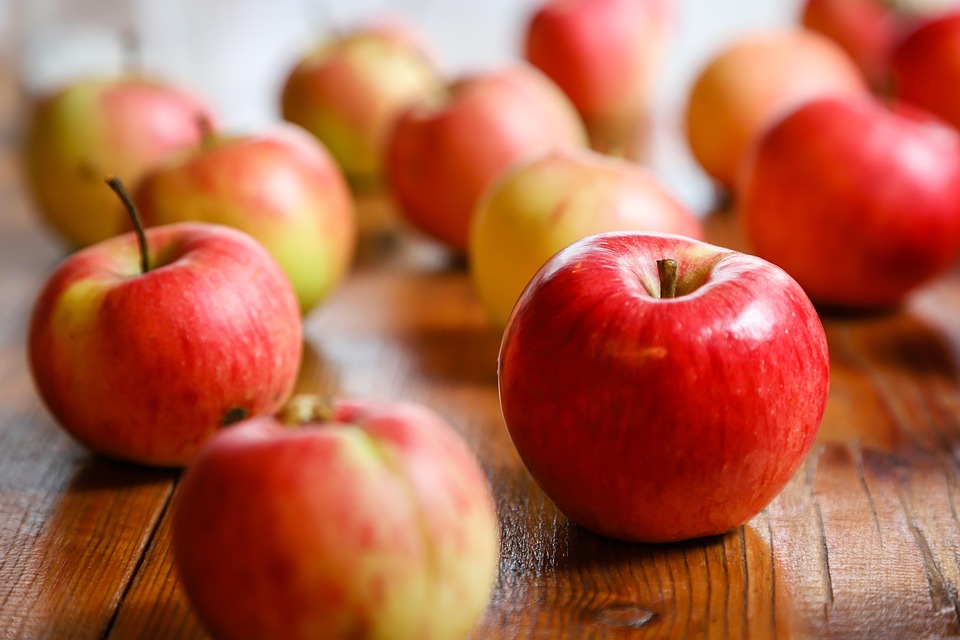
Color uniformity also matters, though with a caveat. While deep, vibrant hues generally indicate an abundance of protective plant pigments and antioxidants, natural variations exist. A slight blush on a peach or minor russeting on an apple does not diminish its quality; in fact, natural blemishes often result from sun exposure during growth.


Smart Purchasing Strategies for Balanced Meal Planning

Bringing home a chaotic assortment of random vegetables often leads to ingredients spoiling before you have a chance to use them. Aligning your shopping cart with a realistic meal plan prevents impulse buying and keeps your refrigerator organized.

Navigating Local Harvests and Seasonality

While modern logistics allow supermarkets to stock almost any food year-round, aligning your purchases with natural growing seasons elevates flavor profiles. Strawberries bought in mid-summer taste remarkably sweeter than those harvested out of season, and hearty winter squash develops deeper flavors during colder months.

Consider integrating these seasonal selection habits into your routine:

  • Spring: Focus on tender shoots, early herbs, and crisp radishes.
  • Summer: Embrace watermelons, stone fruits, and sun-ripened tomatoes.
  • Autumn: Select hard squashes, apples, and root vegetables.
  • Winter: Rely on hearty brassicas, citrus fruits, and stored tubers.

Quantities and Rotation Management

A common pitfall in healthy eating is overbuying perishable goods with ambitious intentions, only to watch them wilt away. Instead of buying bulk quantities of highly perishable items like baby spinach or fresh figs, purchase smaller amounts more frequently. Reserve bulk buying for shelf-stable staples or robust vegetables like onions, potatoes, and winter squashes that withstand longer storage periods.


Advanced Storage Science: Keeping Produce Fresher Longer

Proper storage is the hidden key to preserving the structural integrity and nutrient retention of your groceries. Treating every vegetable and fruit with identical care in the refrigerator is a recipe for premature spoilage.

Moisture Control and Environmental Separation

Moisture is the primary enemy of fresh produce longevity. Excess dampness encourages mold growth and bacterial breakdown, while dry refrigerator air robs vegetables of their crisp hydration.

  • Breathable Storage: Keep leafy greens in perforated bags or wrap them loosely in clean cotton tea towels to absorb excess condensation without drying them out entirely.
  • Ethylene Gas Management: Certain fruits—such as bananas, avocados, tomatoes, and apples—release high amounts of ethylene gas, a natural plant hormone that accelerates ripening and decay in neighboring produce. Store ethylene-sensitive items like berries and leafy greens in separate refrigerator compartments away from these gas producers.

Countertop Versus Refrigerator Real Estate

Not all produce belongs in cold storage. Refrigerating tropical fruits like bananas, mangoes, and whole pineapples can damage their cell walls, leading to chilling injury, mealiness, and flavor loss. Likewise, whole tomatoes, onions, garlic, and winter squash thrive best in cool, dark, well-ventilated pantry spaces rather than chilled environments. Once cut, however, all of these items require immediate refrigeration and food-safe storage containers.


Frequently Asked Questions

How can I tell if an avocado is ready to eat without squeezing it too hard?

Gently press near the stem end rather than the middle of the fruit. If it yields slightly to gentle, firm pressure without feeling mushy or leaving an indent, it is ready. If the stem cap easily pops off and reveals bright green underneath, it is ripe; if it reveals brown, the avocado may be overripe inside.

Is it safe to eat produce with minor bruising?

Yes, minor bruising is generally safe, provided the skin is unbroken and no mold is present. Simply cut away the bruised portion before preparation. However, if a fruit or vegetable is deeply bruised, soft, or leaking juices, discard it to avoid unpleasant textures or bacterial contamination.

What is the best way to wash fresh produce after getting home?

Wait to wash most produce until right before you plan to prepare or eat it. Excess moisture introduced during early washing encourages rapid spoilage. When you are ready, rinse items thoroughly under cool, running tap water, gently rubbing surfaces where appropriate. Avoid using harsh soaps, detergents, or bleach solutions, as porous plant skins can absorb chemical residues.

Why do my leafy greens turn slimy so quickly in the refrigerator?

Sliminess occurs when trapped moisture causes the delicate plant cells to break down and rot. To prevent this, line your storage container or bag with a dry paper towel to absorb ambient condensation, and ensure the bag remains slightly open to allow air circulation.

Do organic fruits and vegetables have a shorter shelf life than conventionally grown options?

Not necessarily. Shelf life is primarily determined by ripeness at harvest, transport conditions, variety, and storage temperature rather than farming methods. However, because organic produce is grown without synthetic post-harvest treatments, paying close attention to moisture and storage is especially important.

How should I store fresh herbs to prevent them from wilting within a day?

Treat delicate herbs like cilantro, parsley, and basil like fresh cut flowers. Trim a small fraction off the bottom of the stems, place them upright in a jar containing an inch of fresh water, and cover the leafy tops loosely with a plastic bag. Store delicate herbs in the refrigerator (except basil, which prefers a cool, shaded countertop), changing the water every couple of days.


Related Posts

food sensitivity testing
September 21, 2026
Decoding Your Digestion: How Food Sensitivity Testing Actually Works

Dietary sugar comes in many forms, and while glucose is readily absorbed by most people, other sugars can present unique digestive puzzles. Fructose—the natural sugar found abundantly in fruits, honey, and high-fructose corn syrup—requires a specific transport mechanism in the small intestine to be processed smoothly. When that biological process is less efficient, individuals may experience a range of gastrointestinal quirks known clinically as fructose malabsorption. Understanding how your body handles this specific carbohydrate requires more than simply cutting out your favorite fruits. A balanced approach centers on recognizing how dietary patterns, portion sizes, and individual digestive capacity interact to influence daily comfort. What is Fructose Malabsorption? Fructose malabsorption occurs when the cells lining the small intestine do not fully absorb fructose as it passes through the digestive tract. Unlike a classic food allergy, which involves an immune system response, or celiac disease, which triggers an autoimmune reaction to gluten, malabsorption is a mechanical and chemical process related to nutrient uptake. When unabsorbed fructose molecules travel further down into the large intestine, resident gut bacteria ferment them. This natural fermentation process produces gases like hydrogen and methane, alongside drawing extra water into the bowel. The resulting physical changes in the gut can lead to recognizable shifts in how your abdomen feels after eating. It is worth noting that fructose malabsorption is distinct from hereditary fructose intolerance (HFI). HFI is a rare, serious genetic metabolic condition diagnosed in infancy that involves a deficiency in the liver enzyme needed to break down …

genetic health
September 21, 2026
Decode Your Health: What Your Ancestry Test Won’t Tell You

Have you ever wondered why you have your mother’s sharp eye for detail, your father’s quick metabolism, or why seasonal allergies hit you harder than your siblings? The answers are woven deep inside your biology, written in a biological script that is uniquely yours. Welcome to the world of human genetics—the scientific study of how traits, health predispositions, and biological instructions are passed down from generation to generation. While terms like "double helix," "nucleotides," and "mutations" often sound like they belong in a high-tech laboratory or a science fiction novel, understanding the basics of your own genetic code is one of the most empowering things you can do for your personal well-being. In this guide, we will break down the fundamental building blocks of human genetics, explore how your inherited traits interact with your daily lifestyle, and demystify the science behind your family health history—all without needing a degree in molecular biology. What Is the Human Genome? The Ultimate Instruction Manual Imagine walking into a massive, multi-volume library where every single book contains detailed instructions on how to build, repair, and maintain a sprawling metropolis. In biology, your genome is that library. Every human being possesses a genome made up of deoxyribonucleic acid—better known as DNA. If you were to stretch out all the DNA found in just one of your cells, it would measure about six feet long, yet it is tightly coiled and packed into microscopic structures called chromosomes. The Four-Letter Alphabet of Life What makes DNA so …

healthy aging tips
September 21, 2026
Age is Just a Number: Simple Habits for a Vibrant Life

We have all experienced it: the clock strikes 2:00 PM, your eyelids feel heavy, your focus shatters into a million pieces, and the temptation to crawl under your desk for a nap becomes almost overwhelming. This predictable daily crash—often called the afternoon slump—can derail your productivity and leave you feeling completely drained before the workday is even finished. While reaching for a third cup of coffee or a sugary energy drink feels like the quickest fix, it usually results in a vicious cycle of temporary spikes and even harder crashes. Fortunately, overcoming afternoon fatigue doesn’t require artificial stimulants. By making a few intentional adjustments to your daily routine, you can sustain steady, natural vitality from morning until evening. Why Does Your Energy Tank in the Afternoon? Before implementing solutions, it helps to understand the biology behind the afternoon drag. Your body runs on an internal biological clock known as the circadian rhythm. For most humans, this rhythm experiences a natural dip roughly 8 hours after waking up—typically between 1:00 PM and 3:00 PM. This drop in alertness is completely normal, but it is often amplified by modern lifestyle habits. Eating a heavy, carbohydrate-dense lunch causes a rapid spike and subsequent drop in blood glucose, leaving you sluggish. Add in hours of sedentary screen time and stagnant indoor air, and you have the perfect recipe for profound fatigue. 5 Practical Ways to Reclaim Your Afternoon Vitality Instead of fighting your biology with caffeine, try working with your body using these sustainable, …

daily nutrition
September 21, 2026
Eat This, Not That: The Ultimate Guide to Everyday Food Swaps

Meta Description: Discover how to pick, buy, and store fresh fruits and vegetables like a pro. Learn smart grocery shopping tips to maximize nutrition and cut food waste. The journey to a nutrient-dense diet doesn’t start in the kitchen; it begins in the crowded aisles of the grocery store or at the stalls of your local farmers' market. When you browse the produce section, you are looking at the building blocks of daily wellness—vibrant sources of vitamins, minerals, dietary fiber, and protective plant compounds. However, knowing which items to put in your cart is only half the battle. True nutritional success relies heavily on knowing how to select items at peak ripeness and how to store them properly at home so those vital micronutrients don't quietly slip away before you have a chance to eat them. Whether you are aiming to increase your daily vegetable intake or simply want your grocery budget to stretch further without sacrificing dietary quality, mastering the art of produce selection and preservation is an invaluable skill. Decoding the Produce Aisle: How to Evaluate Freshness and Quality Walking past towering displays of colorful greens, roots, and fruits can sometimes feel overwhelming. Every item has its own language of ripeness, and learning to interpret those signs helps you bypass bruised goods and bring home ingredients that taste better and offer superior nutritional value. Reading Nature’s Signals on Fruits When shopping for fruits, your senses are your best tools. Visual appearance matters, but weight and aroma often tell …

common food sensitivities
September 21, 2026
Gut Feeling: 7 Signs Your Body Is Rejecting Certain Foods

SEO Meta Description: Learn how fructose malabsorption affects digestion. Discover common triggers like fruits and sweeteners, symptom patterns, and gentle dietary strategies for relief. The sudden onset of abdominal cramping, uncomfortable bloating, or unexpected shifts in bowel habits after enjoying a bowl of fresh fruit or a sweetened beverage can leave anyone feeling perplexed. While nature’s bounty of fruits, vegetables, and natural sweeteners is universally praised for vibrant nutrition, processing certain simple sugars does not always go smoothly for everyone's digestive tract. When the small intestine struggles to efficiently absorb a specific simple fruit sugar, a condition known as fructose malabsorption can occur, turning wholesome meals into a source of daily abdominal distress. Understanding how your body processes dietary sugars requires looking closely at digestive mechanics, individual tolerance levels, and smart meal-planning strategies that do not sacrifice overall nutritional variety. Rather than adopting an overly restrictive lifestyle, navigating this condition effectively is about finding a personalized balance that supports gut comfort while ensuring you still enjoy a diverse, nutrient-dense plate. The Mechanics of Fructose Malabsorption: What Happens in the Gut? Fructose is a monosaccharide—a simple sugar naturally found in honey, tree fruits, berries, root vegetables, and many processed foods sweetened with high-fructose corn syrup (HFCS). In a typically functioning digestive system, fructose is absorbed directly through the cells lining the small intestine, assisted by specialized transporter proteins, most notably one called GLUT5. When someone experiences fructose malabsorption, these transport mechanisms work less efficiently. Instead of being fully absorbed in the …

genetics explained
September 21, 2026
It’s in Your Genes: What That Actually Means (And Why It Matters)

When you hear the phrase "genetic risk," what comes to mind? For many, it conjures images of unalterable medical destinies, complex laboratory readouts, or an inescapable family health legacy. However, modern genetics offers a much more empowering and nuanced picture. Understanding genetic risk is not about reading a fixed script for your life. Instead, it is about recognizing how the biological instructions you inherited from your parents interact with your daily habits, your environment, and routine medical care. In this article, we will break down what genetic risk actually means, how scientists measure it, why having a genetic variant does not guarantee a specific health outcome, and how you can use this knowledge to proactively manage your well-being. What Is Genetic Risk, Really? At its core, genetic risk refers to the statistical probability that an individual will develop a certain health condition based on the presence of specific variations in their DNA. To understand this, it helps to view your genome as an extensive, multi-volume instruction manual for your body. Every human shares about 99.9% of their DNA sequence, but that remaining 0.1% accounts for all our unique traits—from eye color to how efficiently our bodies metabolize certain medications. Within that variable fraction of DNA are spelling differences known as variants or polymorphisms. Some variants are harmless quirks. Others, however, can alter protein production, cellular signaling, or enzyme activity in ways that influence susceptibility to diseases like heart conditions, diabetes, or inherited cancers. The Two Main Categories of Genetic Risk …