

SEO Meta Description: Discover the ideal serving size of chia seeds for daily nutrition. Learn practical portion control tips, smart pairing ideas, and creative ways to incorporate them safely. Tiny yet mighty, chia seeds have earned a permanent spot in pantry cupboards worldwide. These miniature powerhouses of plant-based nutrition pack a serious dietary punch, offering a dense concentration of fiber, plant-based omega-3 fatty acids, and essential minerals within a remarkably small footprint. However, because they are so compact and nutrient-dense, figuring out the right amount to eat each day can sometimes feel confusing. Understanding proper serving sizes is the key to unlocking their benefits without experiencing digestive discomfort. Whether you are stirring them into a morning bowl or blending them into an afternoon smoothie, finding your personal balance ensures you get the most out of every spoonful. Understanding the Plant-Based Power Profile Before looking at how much to put on your plate, it helps to understand what makes these seeds unique. Belonging to the mint family (Salvia hispanica), chia seeds are celebrated primarily for their exceptional soluble fiber content. When exposed to liquid, they absorb up to twelve times their weight in water, forming a gel-like outer layer. This unique structural trait influences how the body processes them. The high fiber content supports slow, steady digestion and promotes long-lasting satiety, making them a popular choice for sustained morning energy. Additionally, they serve as a valuable source of magnesium, calcium, and alpha-linolenic acid (ALA)—a type of plant-based essential fatty acid that …
SEO Meta Description: Discover the ideal serving size of chia seeds for daily nutrition. Learn practical portion control tips, smart pairing ideas, and creative ways to incorporate them safely.
Tiny yet mighty, chia seeds have earned a permanent spot in pantry cupboards worldwide. These miniature powerhouses of plant-based nutrition pack a serious dietary punch, offering a dense concentration of fiber, plant-based omega-3 fatty acids, and essential minerals within a remarkably small footprint. However, because they are so compact and nutrient-dense, figuring out the right amount to eat each day can sometimes feel confusing.
Understanding proper serving sizes is the key to unlocking their benefits without experiencing digestive discomfort. Whether you are stirring them into a morning bowl or blending them into an afternoon smoothie, finding your personal balance ensures you get the most out of every spoonful.
Understanding the Plant-Based Power Profile
Before looking at how much to put on your plate, it helps to understand what makes these seeds unique. Belonging to the mint family (Salvia hispanica), chia seeds are celebrated primarily for their exceptional soluble fiber content. When exposed to liquid, they absorb up to twelve times their weight in water, forming a gel-like outer layer.
This unique structural trait influences how the body processes them. The high fiber content supports slow, steady digestion and promotes long-lasting satiety, making them a popular choice for sustained morning energy. Additionally, they serve as a valuable source of magnesium, calcium, and alpha-linolenic acid (ALA)—a type of plant-based essential fatty acid that supports overall wellbeing.
Finding Your Ideal Daily Serving Size
When it comes to incorporating chia seeds into your routine, more is not necessarily better. Because of their concentrated fiber levels, introducing them too quickly or in excessive quantities can overwhelm the digestive system.
- The Standard Serving: For most adults, a standard portion is two tablespoons (approximately 25 to 30 grams) per day. This amount provides a substantial boost of dietary fiber and healthy fats without overdoing it.
- Starting Small: If you are new to eating chia seeds, begin with just one teaspoon to one tablespoon daily. This allows your digestive tract time to adjust to the sudden influx of fiber.
- Hydration is Non-Negotiable: Because these seeds soak up surrounding fluids so efficiently, always consume them with plenty of water. Drinking adequate fluids throughout the day helps the fiber move smoothly through your system.
Creative Ways to Integrate Them Into Everyday Meals
You do not need to overhaul your entire diet to enjoy the benefits of chia seeds. Their neutral, nutty flavor profile makes them remarkably versatile, blending seamlessly into sweet and savory dishes alike.
1. Morning Grain Bowls and Oatmeal
Stirring a spoonful of dry seeds directly into hot oatmeal, quinoa porridge, or yogurt bowls adds an instant textural crunch. They blend quietly into the background while quietly bolstering your breakfast with extra plant protein and fiber.
2. Overnight Hydrated Puddings
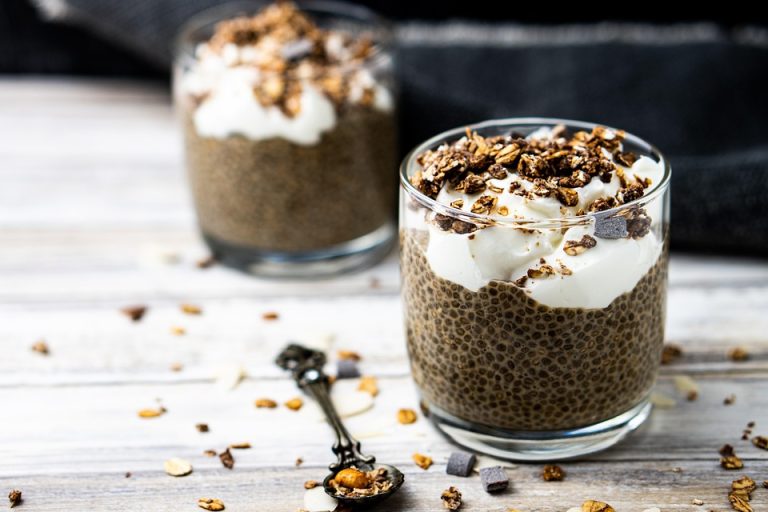
By mixing the seeds with plant milk, a dash of vanilla, and a hint of maple syrup before letting them sit in the fridge overnight, you create a rich, pudding-like consistency. This preparation method pre-hydrates the seeds, making them exceptionally easy on the digestive system.
3. Smoothie Boosters
If you prefer liquid meals, drop a single tablespoon into your blender alongside berries, spinach, and your favorite protein source. They thicken the texture naturally without altering the overall flavor profile of your drink.
4. Crunchy Coatings and Breading
For a creative culinary twist, mix dry chia seeds with breadcrumbs or crushed nuts to coat baked fish fillets or chicken strips. This adds a delightful crispiness along with a nutritional upgrade to standard weeknight dinners.
Common Pitfalls to Avoid
While adding these seeds to your diet is generally straightforward, a few mindful habits can prevent minor kitchen or digestive mishaps.
- Avoid Dry-Swallowing: Never consume large spoonfuls of dry chia seeds followed immediately by a sip of water. Because they expand rapidly upon contact with moisture, consuming them dry can pose a choking hazard or cause throat irritation. Always pre-soak them or mix them thoroughly into moist foods.
- Pace Your Fiber Intake: If your current diet is relatively low in fiber, adding multiple tablespoons of chia seeds on day one can lead to bloating or gas. Scale up gradually over the course of two to three weeks.
- Proper Pantry Storage: Keep your seeds in a cool, dark, airtight container. Whole chia seeds have a long shelf life thanks to their natural antioxidants, but protecting them from heat and moisture preserves their nutritional integrity.
Frequently Asked Questions
1. Is it better to eat chia seeds whole or ground?
Unlike flaxseeds, which must be ground for the body to access their nutrients, whole chia seeds are easily digested by the body in their natural state. However, grinding them can make it slightly easier to absorb certain minerals, so both methods work well depending on your personal preference.
2. Can I eat chia seeds every single day?
Yes, enjoying them daily is completely fine for most people, provided you stick to a moderate portion (around 1–2 tablespoons) and maintain good daily hydration habits.
3. Do chia seeds need to be soaked before eating?
Soaking is not strictly required, but it is strongly recommended—especially if you are eating larger portions. Soaking pre-gels the seeds, making them softer, easier to chew, and gentler on your digestive tract.
4. Can children eat chia seeds?
Children can certainly enjoy them in age-appropriate portions, such as mixed into smoothies or oatmeal. However, because of their small size and ability to absorb liquid, portions should be much smaller (such as half a teaspoon), and proper supervision is advised to prevent choking hazards from dry seeds.
5. Do chia seeds lose their nutritional value when cooked?
While heat can slightly reduce the concentration of delicate omega-3 fatty acids, they remain quite stable overall. You can safely bake them into breads, muffins, or granola bars without losing all of their nutritional benefits.
6. What should I do if I experience bloating after eating them?
If you feel bloated, you likely increased your intake too quickly or did not drink enough water. Reduce your portion size back to one teaspoon for a few weeks, ensure you are drinking plenty of fluids throughout the day, and gradually work your way back up.
Disclaimer: Nutritional needs vary greatly from person to person based on age, activity level, and health status. Individuals with pre-existing medical conditions, digestive disorders, or specific dietary restrictions should consult a qualified healthcare professional or registered dietitian before making significant changes to their daily nutrition.