

We all know the fundamental health mantra by heart: drink eight glasses of water a day. Yet, despite the best intentions, many of us find ourselves reaching for a glass only when our throats feel parched, our heads start to throb, or our energy crashes mid-afternoon. True hydration, however, goes far beyond simply gulping down cold liquid when your body is already screaming for help. It is an intentional, daily wellness practice. When you shift from mindless sipping to mindful hydration, you unlock a cascade of benefits for your physical vitality, mental clarity, and long-term health. Let’s explore how to transform a basic biological necessity into an empowering pillar of your daily self-care routine. Why Standard Hydration Advice Falls Short For years, public health guidelines have offered a blanket prescription for daily fluid intake. While helpful as a baseline, this generalized approach ignores the fact that human physiology is remarkably dynamic. Your optimal water intake fluctuates based on a multitude of daily variables, including: Your activity levels and sweat output: Working out at the gym or running errands in the heat drastically increases fluid loss. Dietary choices: Consuming hydrating foods (like cucumbers, watermelon, and oranges) contributes to your overall water balance, while heavy sodium or high-protein diets require increased fluid intake. Environmental factors: Dry indoor heating, air conditioning, and high altitudes pull moisture from your body even when you aren't actively sweating. Caffeine and alcohol consumption: These common beverages possess diuretic properties, meaning they can accelerate fluid loss if not …
We all know the fundamental health mantra by heart: drink eight glasses of water a day. Yet, despite the best intentions, many of us find ourselves reaching for a glass only when our throats feel parched, our heads start to throb, or our energy crashes mid-afternoon.
True hydration, however, goes far beyond simply gulping down cold liquid when your body is already screaming for help. It is an intentional, daily wellness practice.
When you shift from mindless sipping to mindful hydration, you unlock a cascade of benefits for your physical vitality, mental clarity, and long-term health. Let’s explore how to transform a basic biological necessity into an empowering pillar of your daily self-care routine.
Why Standard Hydration Advice Falls Short
For years, public health guidelines have offered a blanket prescription for daily fluid intake. While helpful as a baseline, this generalized approach ignores the fact that human physiology is remarkably dynamic.
Your optimal water intake fluctuates based on a multitude of daily variables, including:
- Your activity levels and sweat output: Working out at the gym or running errands in the heat drastically increases fluid loss.
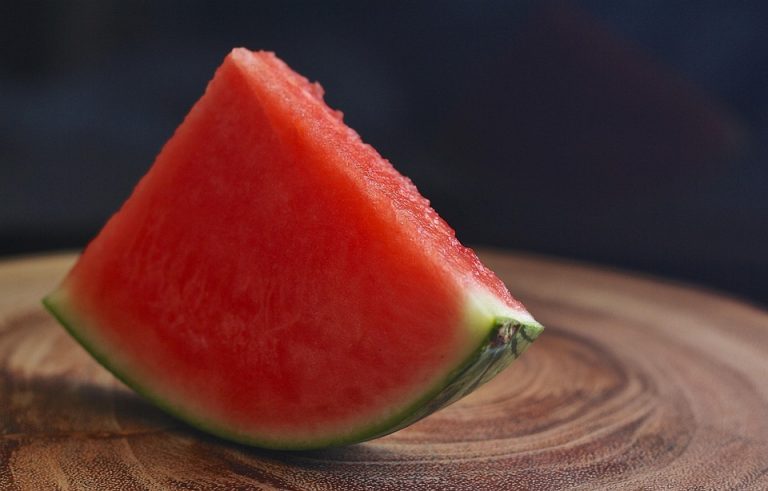
- Dietary choices: Consuming hydrating foods (like cucumbers, watermelon, and oranges) contributes to your overall water balance, while heavy sodium or high-protein diets require increased fluid intake.
- Environmental factors: Dry indoor heating, air conditioning, and high altitudes pull moisture from your body even when you aren’t actively sweating.
- Caffeine and alcohol consumption: These common beverages possess diuretic properties, meaning they can accelerate fluid loss if not properly balanced with plain water.
Treating hydration as a rigid, one-size-fits-all rule often leads to either under-drinking or the uncomfortable hassle of constantly rushing to the restroom. A personalized, mindful approach is far more effective.
The Hidden Toll of Mild Dehydration
Most people associate dehydration with extreme scenarios like hiking in a desert heatwave. In reality, sub-clinical or mild dehydration—losing just 1% to 2% of your body’s water content—happens easily during a normal workday.
Even this slight deficit can quietly sabotage your well-being in surprising ways:
- Cognitive Fog: Brain tissue is roughly 75% water. Even minor fluid drops can impair your short-term memory, focus, and visual-motor tracking. That 3:00 PM mental slump is frequently a cry for water, not another cup of coffee.
- Sluggish Metabolism: Water is the medium in which nearly all metabolic reactions take place. Dehydration can temporarily slow down your resting metabolic rate, making you feel sluggish and heavy.
- Mood Fluctuations: Studies consistently show that mild dehydration increases feelings of anxiety, tension, and irritability.
- Misread Hunger Cues: The brain regions responsible for regulating thirst and hunger sit right next to each other. We often snack mindlessly when our bodies are actually asking for a glass of water.
4 Practical Strategies to Master Daily Hydration
Instead of forcing yourself to chug a massive bottle of water right before bed—which disrupts your sleep with midnight bathroom trips—integrate these seamless strategies into your day.
1. The Morning Activation Ritual
While you sleep, your body naturally loses moisture through breathing and perspiration. Wake up your digestive system and jumpstart your metabolism by drinking 12 to 16 ounces of room-temperature water before you check your phone, brew coffee, or eat breakfast. Adding a squeeze of fresh lemon provides a dose of vitamin C and a gentle flavor boost.
2. Anchor Your Sips to Existing Habits
Behavior change is easiest when paired with routines you already perform automatically. Tie your water intake to consistent touchpoints throughout your day:
- Drink a full glass while your morning coffee or tea brews.
- Finish a glass of water during the first five minutes of any lunch break.
- Take five deep breaths and empty your water bottle before transitioning from your workspace to your evening activities.
3. Upgrade Your Water with Electrolytes
Plain water is essential, but if you sweat heavily or drink purified water stripped of minerals, you might be missing crucial electrolytes like sodium, potassium, and magnesium. These minerals help your cells actually absorb and retain water rather than passing it straight through your system. Look for clean, low-sugar electrolyte options or add a tiny pinch of unrefined sea salt and a splash of citrus to your water bottle.
4. Eat Your Water
Roughly 20% of your daily fluid intake typically comes from food. Incorporate water-rich whole foods into your meals and snacks to support cellular hydration naturally:
- Cucumbers & Celery (approx. 95% water)
- Strawberries, Grapefruit, & Watermelon (approx. 90-92% water)
- Zucchini, Bell Peppers, & Spinach (approx. 88-93% water)
Frequently Asked Questions
Does coffee and tea count toward my daily water intake?
Yes, absolutely. While caffeine has a mild diuretic effect, caffeinated beverages still contribute to your net fluid balance. However, they should not completely replace pure water, which remains the gold standard for cellular health without added stimulants, sugars, or acids.
How can I tell if I am properly hydrated without guessing?
The simplest, most reliable indicator is the color of your urine. You are aiming for a pale, transparent yellow—often compared to the color of light lemonade. If it is completely clear, you may be over-hydrated and flushing out necessary electrolytes; if it looks like dark apple juice, you need to increase your fluid intake immediately.
Is it possible to drink too much water?
Yes. Overhydration, or water intoxication (hyponatremia), occurs when excessive water intake dangerously dilutes the sodium levels in your blood. This is rare in daily life but can happen during endurance events when people consume massive volumes of water without replacing lost electrolytes. Listen to your body and spread your intake evenly throughout the day.
A Final Note on Listening to Your Body
At The Health Care, we believe sustainable wellness is built on intuitive self-awareness rather than rigid perfection. Don’t stress over hitting an exact numerical target every single day. Instead, view hydration as an act of everyday nourishment—a simple, grounding way to honor your body’s complex needs and keep your inner systems running at their absolute best.