

In today’s fast-paced world, the definition of health has evolved. We no longer measure well-being merely by the absence of disease. Instead, true vitality encompasses how we feel, think, move, and connect every single day. If you have ever felt exhausted despite sleeping eight hours, or stressed even when life is going well, you already know that physical health is only one piece of the puzzle. Welcome to the modern approach to wellness. Achieving a balanced lifestyle does not require overhauling your entire routine overnight, buying expensive supplements, or spending hours at the gym. Sustainable wellness is built on small, consistent habits that nourish your mind, body, and spirit over time. In this comprehensive guide, we will explore what truly matters in personal health, practical ways to improve your daily routine, and how to build a lifestyle that supports long-term flourishing. What is Wellness? Beyond Physical Health At its core, wellness is an active, conscious process of making choices toward a healthy and fulfilling life. While traditional medicine often focuses on treating illness, the wellness model focuses on prevention, balance, and overall quality of life. Experts generally divide the concept into several interconnected dimensions: Physical Wellness: Caring for your body through proper nutrition, adequate rest, and regular movement. Mental and Emotional Wellness: Managing stress, building emotional resilience, and maintaining a positive outlook. Social Wellness: Fostering meaningful relationships and building a supportive community. Environmental Wellness: Creating a safe, clean, and inspiring living and working space. Intellectual Wellness: Engaging in creative, stimulating …
In today’s fast-paced world, the definition of health has evolved. We no longer measure well-being merely by the absence of disease. Instead, true vitality encompasses how we feel, think, move, and connect every single day. If you have ever felt exhausted despite sleeping eight hours, or stressed even when life is going well, you already know that physical health is only one piece of the puzzle.
Welcome to the modern approach to wellness.
Achieving a balanced lifestyle does not require overhauling your entire routine overnight, buying expensive supplements, or spending hours at the gym. Sustainable wellness is built on small, consistent habits that nourish your mind, body, and spirit over time. In this comprehensive guide, we will explore what truly matters in personal health, practical ways to improve your daily routine, and how to build a lifestyle that supports long-term flourishing.
What is Wellness? Beyond Physical Health
At its core, wellness is an active, conscious process of making choices toward a healthy and fulfilling life. While traditional medicine often focuses on treating illness, the wellness model focuses on prevention, balance, and overall quality of life.
Experts generally divide the concept into several interconnected dimensions:
- Physical Wellness: Caring for your body through proper nutrition, adequate rest, and regular movement.
- Mental and Emotional Wellness: Managing stress, building emotional resilience, and maintaining a positive outlook.
- Social Wellness: Fostering meaningful relationships and building a supportive community.
- Environmental Wellness: Creating a safe, clean, and inspiring living and working space.
- Intellectual Wellness: Engaging in creative, stimulating activities and pursuing lifelong learning.
When one area suffers, the others often feel the impact. For example, high work stress (mental) can lead to poor sleep and muscle tension (physical), which in turn makes social interactions harder. Approaching wellness holistically means addressing your life as a complete system rather than separate parts.
The Four Pillars of Daily Vitality
To make your journey manageable, it helps to focus on the core pillars that drive daily wellness. By optimizing these four areas, you lay a strong foundation for long-term health.
1. Nourishing Your Body Mindfully
Nutrition is often the first thing people think of when exploring wellness, but diet culture has made eating complicated. Instead of restricting foods or following extreme trends, focus on nourishment and balance.
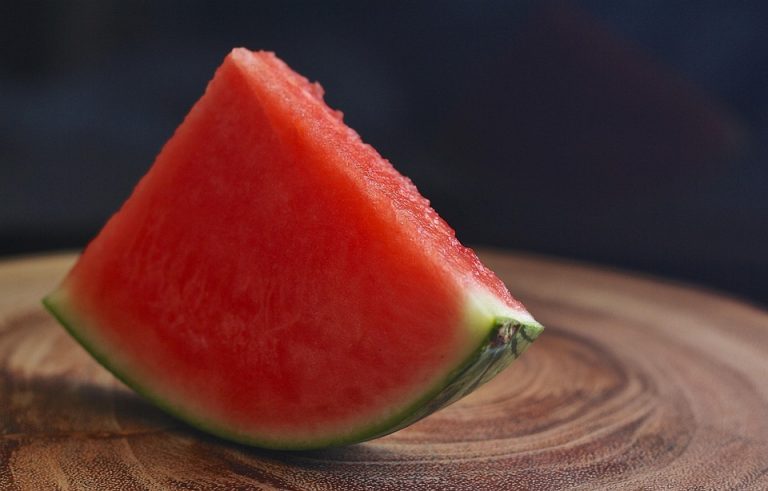
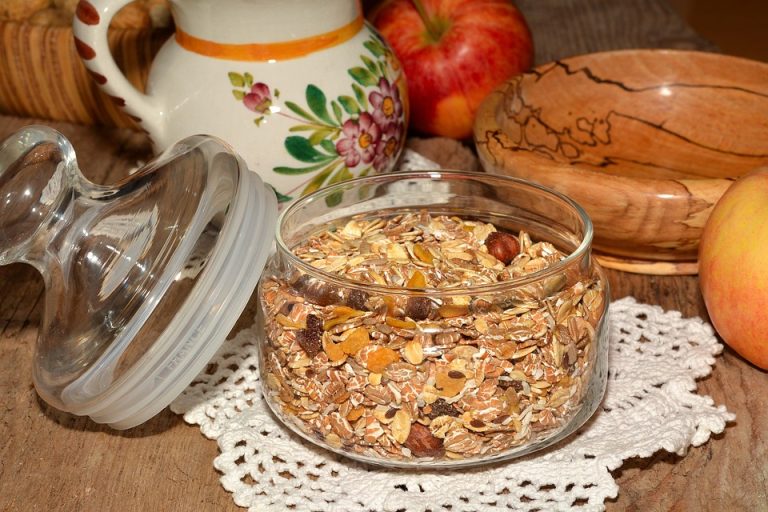
- Prioritize Whole Foods: Incorporate a colorful variety of fruits, vegetables, lean proteins, whole grains, and healthy fats into your meals.
- Stay Hydrated: Water supports digestion, cognitive function, and energy levels. Aim to sip water consistently throughout the day.
- Listen to Your Body: Practice mindful eating by paying attention to hunger and fullness cues rather than eating out of habit or stress.
2. Moving in Ways You Enjoy
Exercise should never feel like a punishment. Movement is a celebration of what your body can do, and physical wellness thrives on consistency rather than intensity.
- Find Your Activity: Whether it is brisk walking, swimming, yoga, dancing, or weightlifting, choose activities you genuinely enjoy.
- Incorporate Daily Movement: If you have a sedentary job, take short breaks to stretch, walk, or do light mobility work every hour.
- Focus on Function: Aim to build strength and flexibility that supports your daily activities, from carrying groceries to playing with your children.
3. Prioritizing Rest and Recovery
In our productivity-obsessed culture, rest is often viewed as a luxury. In reality, recovery is a biological necessity for true wellness. Without adequate rest, your body and mind cannot repair themselves.
- Establish a Sleep Routine: Go to bed and wake up at consistent times, even on weekends, to support your natural circadian rhythm.
- Create a Wind-Down Habit: Turn off screens at least 30 minutes before bed, dim the lights, and engage in calming activities like reading or journaling.
- Take Mental Breaks: Allow yourself moments of stillness during the day to clear your mind and lower cortisol (stress hormone) levels.
4. Cultivating Mental Resilience
Mental wellness involves acknowledging your emotions, coping with life’s inevitable challenges, and maintaining a sense of purpose.
- Practice Gratitude: Taking a few moments each day to write down what you appreciate can significantly shift your perspective.
- Set Healthy Boundaries: Learn to say no to commitments that drain your energy, protecting your time and mental space.
- Seek Connection: Humans are social creatures. Spend time with people who uplift, support, and inspire you.
Overcoming Common Obstacles to Wellness
Starting a new health journey is exciting, but maintaining momentum can be tough. Many people stumble because they fall into common behavioral traps. Here is how to navigate them successfully.
The All-or-Nothing Trap
Many individuals believe that if they miss a workout or eat a treat, their entire routine is ruined. This mindset often leads to giving up completely.
- The Fix: Adopt a flexible mindset. A single meal or missed workout will not define your wellness journey. Progress relies on consistency, not perfection.
Setting Unrealistic Goals
Vague or overly ambitious goals—like “I am going to change my entire lifestyle starting Monday”—often lead to burnout within a few weeks.
- The Fix: Use micro-habits. Instead of vowing to work out for an hour every day, commit to a 15-minute daily walk. Once that feels easy, gradually build upon it.
Ignoring Individual Needs
What works for a friend, family member, or social media influencer may not work for you. Wellness is deeply personal.
- The Fix: Pay attention to how different foods, routines, and sleep schedules make you feel. Tailor your habits to your unique body and lifestyle.
Building Your Personal Wellness Action Plan
Ready to take action? Building a sustainable routine does not require a complete overhaul. Follow these simple steps to design a personalized wellness plan that fits your life:
- Assess Where You Are: Take a moment to reflect on the core pillars (nutrition, movement, rest, mental health). Which area needs the most gentle attention right now?
- Pick One Micro-Habit: Choose a single, small change you can make today. For example, drinking a glass of water first thing in the morning or taking a 10-minute walk after lunch.
- Track and Reflect: Keep track of your new habit for two weeks. Notice how it impacts your energy, mood, and daily flow.
- Layer and Grow: Once your first habit feels automatic, add another small positive change to your routine.
Key Takeaways
- Holistic Approach: True wellness goes beyond physical health, encompassing mental, emotional, social, and environmental well-being.
- Small Steps Matter: Sustainable habits are built through consistent, micro-actions rather than drastic, overnight changes.
- Listen to Your Body: Personalization is key; focus on routines that make you feel energized and balanced.
- Rest is Productive: Recovery, quality sleep, and mental breaks are just as important as nutrition and exercise.
- Flexibility Over Perfection: Avoid the all-or-nothing mindset to maintain long-term motivation and peace of mind.
Frequently Asked Questions (FAQs)
What is the difference between health and wellness?
Health is generally viewed as a state of being—the functioning of your body and mind—while wellness is an active, ongoing process of making choices that lead toward a more balanced, fulfilling, and healthy life.
How can I start a wellness journey when I am very busy?
Start small. Focus on micro-habits, such as a 10-minute morning stretch, drinking more water, or taking five slow, deep breaths during stressful moments. You do not need hours of free time to make meaningful improvements.
Why is sleep so important for overall wellness?
Sleep is the time when your body repairs tissues, consolidates memories, and regulates hormones. Chronic sleep deprivation can negatively impact your immune system, mood, cognitive function, and physical energy.
How do I stay motivated when my wellness routine gets difficult?
Instead of relying solely on fleeting motivation, focus on building small routines and discipline. Remind yourself why you started, and remember that flexibility is crucial—adjust your goals during stressful seasons rather than quitting altogether.
Should I consult a professional before changing my wellness routine?
Yes. If you plan to make significant changes to your diet, start a new intense exercise regimen, or if you have underlying medical conditions, it is always wise to consult a qualified healthcare provider for personalized guidance.