


We live in a culture that is quick to react. When a headache strikes, we reach for pain relief. When fatigue sets in, we pour another cup of coffee. When a symptom becomes unbearable, we finally schedule a visit to the doctor. While modern medicine is remarkable at treating acute conditions and managing chronic illnesses, waiting for disease to strike is a reactive approach to living. What if, instead of fighting illnesses after they arrive, we focused on stopping them before they start? This proactive mindset is the heart of preventive health. Rather than waiting for your body to send out distress signals, preventive health focuses on habits, screenings, and lifestyle choices that protect your well-being, preserve your vitality, and add healthy years to your life. At The Health Care, we believe that understanding and implementing preventive care is one of the most empowering steps you can take. Let’s explore what preventive health truly means, why it matters, and how you can integrate it into your daily routine. What Is Preventive Health? At its core, preventive health encompasses all the measures taken to prevent diseases—or detect them at an early, highly treatable stage—rather than curing them once symptoms appear. Healthcare professionals generally divide preventive care into three distinct categories: Primary Prevention: Measures aimed at preventing a disease from ever occurring. This includes maintaining a balanced diet, exercising regularly, getting vaccinated, and avoiding tobacco. Secondary Prevention: Strategies focused on early detection and prompt treatment of a disease, stopping it from progressing. …
We live in a culture that is quick to react. When a headache strikes, we reach for pain relief. When fatigue sets in, we pour another cup of coffee. When a symptom becomes unbearable, we finally schedule a visit to the doctor.
While modern medicine is remarkable at treating acute conditions and managing chronic illnesses, waiting for disease to strike is a reactive approach to living. What if, instead of fighting illnesses after they arrive, we focused on stopping them before they start?
This proactive mindset is the heart of preventive health. Rather than waiting for your body to send out distress signals, preventive health focuses on habits, screenings, and lifestyle choices that protect your well-being, preserve your vitality, and add healthy years to your life.
At The Health Care, we believe that understanding and implementing preventive care is one of the most empowering steps you can take. Let’s explore what preventive health truly means, why it matters, and how you can integrate it into your daily routine.
What Is Preventive Health?
At its core, preventive health encompasses all the measures taken to prevent diseases—or detect them at an early, highly treatable stage—rather than curing them once symptoms appear.
Healthcare professionals generally divide preventive care into three distinct categories:
- Primary Prevention: Measures aimed at preventing a disease from ever occurring. This includes maintaining a balanced diet, exercising regularly, getting vaccinated, and avoiding tobacco.
- Secondary Prevention: Strategies focused on early detection and prompt treatment of a disease, stopping it from progressing. Routine cancer screenings, such as mammograms or colonoscopies, fall into this category.
- Tertiary Prevention: Efforts aimed at managing existing, long-term conditions to prevent complications and improve quality of life. While closer to disease management, it remains a vital part of a holistic wellness plan.
Together, these layers form a robust shield that protects your physical and mental well-being over the course of your life.
Why Preventive Health Matters
The benefits of a preventive health lifestyle extend far beyond avoiding a trip to the hospital. When you prioritize prevention, you invest in your quality of life.
1. Improved Quality of Life
Health is not merely the absence of disease; it is a state of physical, mental, and social vitality. By engaging in preventive habits like regular physical activity and nutrient-dense eating, you naturally boost your energy levels, improve your mood, and enhance your cognitive function.
2. Early Detection Saves Lives
Many serious conditions—such as high blood pressure, type 2 diabetes, and certain cancers—develop silently over years without causing noticeable symptoms. Routine screenings and health checks catch these issues early, making them much easier to manage or even reverse.
3. Reduced Financial Burden
Managing chronic, advanced-stage illnesses can be financially draining. Investing in routine preventive check-ups and healthy lifestyle choices often reduces long-term healthcare costs by minimizing the need for intensive, expensive medical interventions later in life.
Core Pillars of a Preventive Lifestyle
Achieving long-term wellness does not require an overhaul of your entire life overnight. Instead, it is built on consistent, manageable daily habits. Here are the core pillars of preventive health:
Nutrition: Fueling Your Body Wisely
What you put on your plate serves as the foundation for your physical health. A balanced, nutrient-dense diet helps regulate inflammation, supports immune function, and protects your cardiovascular system.
- Fill half your plate with produce: Incorporate a colorful variety of fruits and vegetables to ensure a broad spectrum of vitamins and antioxidants.
- Prioritize whole grains: Choose brown rice, oats, quinoa, and whole-wheat products over refined grains for sustained energy and digestive health.
- Opt for healthy fats: Include sources like avocados, nuts, seeds, and olive oil, which support brain and heart health.
- Stay hydrated: Water is essential for every metabolic process in the body. Aim to drink adequate fluids throughout the day.
Physical Activity: Movement as Medicine
The human body is designed to move. Regular physical activity is one of the most powerful tools in preventive medicine, helping to lower blood pressure, improve insulin sensitivity, and strengthen bones and muscles.
- Cardiovascular exercise: Aim for at least 150 minutes of moderate-intensity aerobic activity—such as brisk walking, swimming, or cycling—each week.
- Strength training: Incorporate resistance exercises at least two days a week to maintain muscle mass and bone density as you age.
- Reduce sedentary time: Break up long periods of sitting by standing, stretching, or walking for a few minutes every hour.
Restorative Sleep: The Ultimate Reset Button
In our busy modern world, sleep is often the first thing we sacrifice. However, restorative sleep is non-negotiable for optimal health. During sleep, your brain clears out cellular waste, your tissues repair themselves, and your immune system recharges.
- Maintain a consistent schedule: Go to bed and wake up at the same time every day, even on weekends.
- Optimize your sleep environment: Keep your bedroom cool, dark, and quiet.
- Limit screen time: Turn off phones, tablets, and televisions at least an hour before bedtime to support natural melatonin production.
Stress Management: Protecting Your Mental Wellness
Chronic psychological stress takes a heavy physical toll, releasing hormones like cortisol that can elevate blood pressure, disrupt digestion, and weaken immune function. Finding healthy ways to manage stress is an essential aspect of preventive health.
- Practice mindfulness: Techniques such as meditation, deep-breathing exercises, and yoga can help calm the nervous system.
- Cultivate connection: Strong social ties and community support are consistently linked to better health outcomes and longevity.
- Set boundaries: Learn to protect your time and energy to prevent burnout.
The Power of Clinical Preventive Services
While lifestyle habits form the foundation of preventive health, partnering with healthcare professionals for routine clinical screenings is equally critical. These visits allow you to establish a baseline for your health and monitor changes over time.
Essential Health Screenings
Depending on your age, sex, family history, and personal health profile, your doctor may recommend several routine checks:
- Blood Pressure Checks: High blood pressure often has no symptoms, earning it the nickname “the silent killer.” Regular checks help catch hypertension early before it leads to heart disease or stroke.
- Cholesterol Panels: Measuring your blood lipids helps assess your risk for cardiovascular disease.
- Blood Glucose Tests: Screening for prediabetes and type 2 diabetes allows for early lifestyle interventions.
- Cancer Screenings: Depending on guidance from your healthcare provider, screenings such as mammograms, Pap smears, colorectal cancer screenings (like colonoscopies or stool tests), and skin checks can detect abnormalities long before they become dangerous.
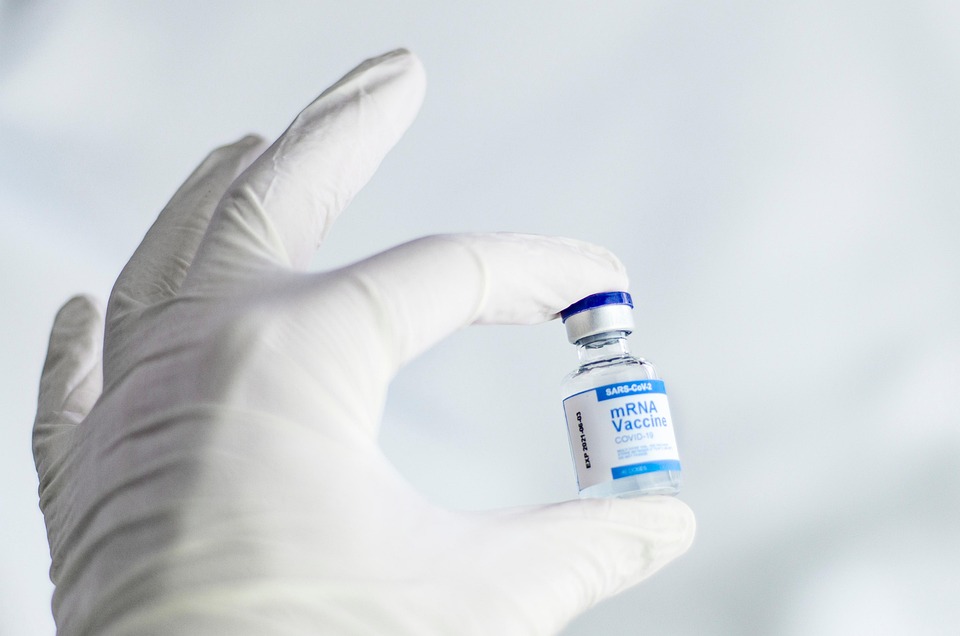
- Vaccinations: Staying up-to-date on routine vaccines—such as annual flu shots, boosters, and shingles vaccines—protects both you and your community from preventable infectious diseases.
Note: Always consult with a qualified healthcare provider to determine which screenings and preventive schedules are appropriate for your specific medical history and life stage.
Overcoming Barriers to Preventive Health
Despite its clear benefits, many people struggle to maintain a consistent preventive routine. Recognizing these common obstacles can help you overcome them:
- “I don’t have time.” Shift your perspective. Spending 30 minutes exercising today saves you from spending days managing chronic illness in the future. Small, consistent actions compound over time.
- “I feel fine, so I don’t need a check-up.” Remember that many conditions develop silently. Preventive visits are designed for people who feel healthy, ensuring they stay that way.
- “It feels overwhelming.” You don’t need to change everything at once. Pick one small habit—such as drinking an extra glass of water daily or scheduling your annual physical—and build from there.
Key Takeaways
- Shift from reactive to proactive: Preventive health focuses on stopping diseases before they start, rather than treating them after symptoms appear.
- Embrace lifestyle pillars: Nutrition, regular physical activity, restorative sleep, and stress management form the foundation of lifelong wellness.
- Prioritize clinical check-ups: Routine screenings, blood pressure checks, and vaccinations are vital tools for early detection and disease prevention.
- Consistency beats perfection: Small, sustainable daily habits yield far better long-term health outcomes than drastic, short-term changes.
- Partner with professionals: Always work with a healthcare provider to tailor a preventive care plan that suits your unique genetic and lifestyle needs.
Frequently Asked Questions
What is the main goal of preventive health?
The primary goal of preventive health is to protect, promote, and maintain health and well-being while preventing disease, disability, and premature death. It aims to catch potential health issues early when they are most manageable.
How often should I see my doctor for a preventive check-up?
For most healthy adults, an annual physical exam is recommended. However, the ideal frequency depends on your age, underlying health conditions, and family medical history. Always consult your healthcare provider to determine the best schedule for you.
Are lifestyle changes alone enough to prevent chronic disease?
While healthy nutrition, exercise, sleep, and stress management significantly lower your risk of developing chronic conditions, they cannot completely eliminate genetic and environmental factors. This is why combining healthy lifestyle habits with routine clinical screenings provides the most comprehensive protection.
What are some simple ways to start a preventive health routine today?
You can start by drinking more water, committing to a daily 20-minute walk, improving your sleep hygiene, and scheduling any overdue medical check-ups or vaccinations with your healthcare provider.
Is preventive health covered by insurance?
In many regions, health insurance plans cover a range of preventive services—such as annual wellness visits, specific vaccinations, and certain cancer screenings—at little to no out-of-pocket cost. It is best to check with your specific insurance provider to understand your policy’s coverage details.