

5 Morning Habits That Will Transform Your Day Before 9 AM

morning health habits

We all know the fundamental health mantra by heart: drink eight glasses of water a day. Yet, despite the best intentions, many of us find ourselves reaching for a glass only when our throats feel parched, our heads start to throb, or our energy crashes mid-afternoon. True hydration, however, goes far beyond simply gulping down cold liquid when your body is already screaming for help. It is an intentional, daily wellness practice. When you shift from mindless sipping to mindful hydration, you unlock a cascade of benefits for your physical vitality, mental clarity, and long-term health. Let’s explore how to transform a basic biological necessity into an empowering pillar of your daily self-care routine. Why Standard Hydration Advice Falls Short For years, public health guidelines have offered a blanket prescription for daily fluid intake. While helpful as a baseline, this generalized approach ignores the fact that human physiology is remarkably dynamic. Your optimal water intake fluctuates based on a multitude of daily variables, including: Your activity levels and sweat output: Working out at the gym or running errands in the heat drastically increases fluid loss. Dietary choices: Consuming hydrating foods (like cucumbers, watermelon, and oranges) contributes to your overall water balance, while heavy sodium or high-protein diets require increased fluid intake. Environmental factors: Dry indoor heating, air conditioning, and high altitudes pull moisture from your body even when you aren't actively sweating. Caffeine and alcohol consumption: These common beverages possess diuretic properties, meaning they can accelerate fluid loss if not …


We all know the fundamental health mantra by heart: drink eight glasses of water a day. Yet, despite the best intentions, many of us find ourselves reaching for a glass only when our throats feel parched, our heads start to throb, or our energy crashes mid-afternoon.

True hydration, however, goes far beyond simply gulping down cold liquid when your body is already screaming for help. It is an intentional, daily wellness practice.

When you shift from mindless sipping to mindful hydration, you unlock a cascade of benefits for your physical vitality, mental clarity, and long-term health. Let’s explore how to transform a basic biological necessity into an empowering pillar of your daily self-care routine.


Why Standard Hydration Advice Falls Short

For years, public health guidelines have offered a blanket prescription for daily fluid intake. While helpful as a baseline, this generalized approach ignores the fact that human physiology is remarkably dynamic.

Your optimal water intake fluctuates based on a multitude of daily variables, including:

  • Your activity levels and sweat output: Working out at the gym or running errands in the heat drastically increases fluid loss.
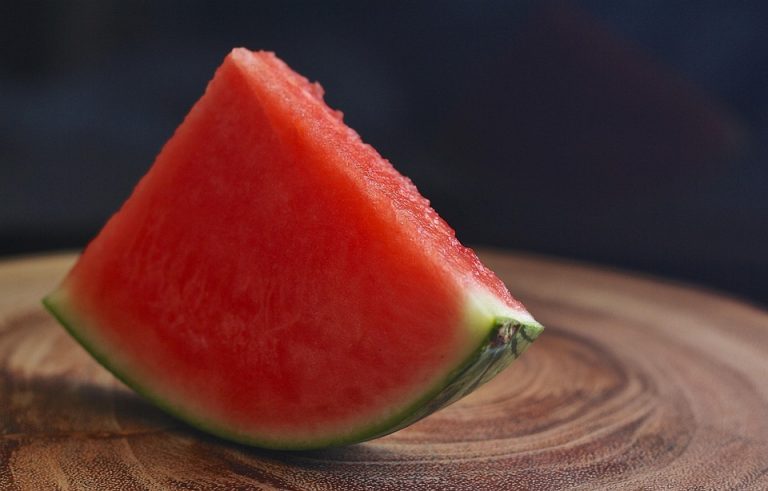
  • Dietary choices: Consuming hydrating foods (like cucumbers, watermelon, and oranges) contributes to your overall water balance, while heavy sodium or high-protein diets require increased fluid intake.
  • Environmental factors: Dry indoor heating, air conditioning, and high altitudes pull moisture from your body even when you aren’t actively sweating.
  • Caffeine and alcohol consumption: These common beverages possess diuretic properties, meaning they can accelerate fluid loss if not properly balanced with plain water.

Treating hydration as a rigid, one-size-fits-all rule often leads to either under-drinking or the uncomfortable hassle of constantly rushing to the restroom. A personalized, mindful approach is far more effective.


The Hidden Toll of Mild Dehydration

Most people associate dehydration with extreme scenarios like hiking in a desert heatwave. In reality, sub-clinical or mild dehydration—losing just 1% to 2% of your body’s water content—happens easily during a normal workday.

Even this slight deficit can quietly sabotage your well-being in surprising ways:

  • Cognitive Fog: Brain tissue is roughly 75% water. Even minor fluid drops can impair your short-term memory, focus, and visual-motor tracking. That 3:00 PM mental slump is frequently a cry for water, not another cup of coffee.
  • Sluggish Metabolism: Water is the medium in which nearly all metabolic reactions take place. Dehydration can temporarily slow down your resting metabolic rate, making you feel sluggish and heavy.
  • Mood Fluctuations: Studies consistently show that mild dehydration increases feelings of anxiety, tension, and irritability.
  • Misread Hunger Cues: The brain regions responsible for regulating thirst and hunger sit right next to each other. We often snack mindlessly when our bodies are actually asking for a glass of water.


4 Practical Strategies to Master Daily Hydration

Instead of forcing yourself to chug a massive bottle of water right before bed—which disrupts your sleep with midnight bathroom trips—integrate these seamless strategies into your day.

1. The Morning Activation Ritual

While you sleep, your body naturally loses moisture through breathing and perspiration. Wake up your digestive system and jumpstart your metabolism by drinking 12 to 16 ounces of room-temperature water before you check your phone, brew coffee, or eat breakfast. Adding a squeeze of fresh lemon provides a dose of vitamin C and a gentle flavor boost.

2. Anchor Your Sips to Existing Habits

Behavior change is easiest when paired with routines you already perform automatically. Tie your water intake to consistent touchpoints throughout your day:

  • Drink a full glass while your morning coffee or tea brews.
  • Finish a glass of water during the first five minutes of any lunch break.
  • Take five deep breaths and empty your water bottle before transitioning from your workspace to your evening activities.

3. Upgrade Your Water with Electrolytes

Plain water is essential, but if you sweat heavily or drink purified water stripped of minerals, you might be missing crucial electrolytes like sodium, potassium, and magnesium. These minerals help your cells actually absorb and retain water rather than passing it straight through your system. Look for clean, low-sugar electrolyte options or add a tiny pinch of unrefined sea salt and a splash of citrus to your water bottle.

4. Eat Your Water

Roughly 20% of your daily fluid intake typically comes from food. Incorporate water-rich whole foods into your meals and snacks to support cellular hydration naturally:

  • Cucumbers & Celery (approx. 95% water)
  • Strawberries, Grapefruit, & Watermelon (approx. 90-92% water)
  • Zucchini, Bell Peppers, & Spinach (approx. 88-93% water)


Frequently Asked Questions

Does coffee and tea count toward my daily water intake?

Yes, absolutely. While caffeine has a mild diuretic effect, caffeinated beverages still contribute to your net fluid balance. However, they should not completely replace pure water, which remains the gold standard for cellular health without added stimulants, sugars, or acids.

How can I tell if I am properly hydrated without guessing?

The simplest, most reliable indicator is the color of your urine. You are aiming for a pale, transparent yellow—often compared to the color of light lemonade. If it is completely clear, you may be over-hydrated and flushing out necessary electrolytes; if it looks like dark apple juice, you need to increase your fluid intake immediately.

Is it possible to drink too much water?

Yes. Overhydration, or water intoxication (hyponatremia), occurs when excessive water intake dangerously dilutes the sodium levels in your blood. This is rare in daily life but can happen during endurance events when people consume massive volumes of water without replacing lost electrolytes. Listen to your body and spread your intake evenly throughout the day.


A Final Note on Listening to Your Body

At The Health Care, we believe sustainable wellness is built on intuitive self-awareness rather than rigid perfection. Don’t stress over hitting an exact numerical target every single day. Instead, view hydration as an act of everyday nourishment—a simple, grounding way to honor your body’s complex needs and keep your inner systems running at their absolute best.


Related Posts

family health history
September 16, 2026
What Your Family Tree Can Tell You About Your Future Health

When you look in the mirror, you see the obvious traits passed down from your parents: eye color, hair texture, maybe the shape of your nose or a distinct laugh. But beneath the surface, your genetic blueprint is doing far more than determining your physical appearance. Every single day, your DNA quietly orchestrates complex biological symphonies—regulating your metabolism, dictating how your body handles stress, influencing your sleep patterns, and even shaping how you respond to specific nutrients and medications. For a long time, people viewed genetics as an unchangeable destiny—the ultimate hand of cards you were dealt at birth, for better or worse. Modern genetics and healthcare science, however, tell a much more dynamic story. Understanding your genetic makeup is not about predicting a rigid future; it is about uncovering how your unique code interacts with your environment, lifestyle choices, and daily habits. Welcome to a foundational exploration of human genetics and everyday health. Whether you are curious about why your body reacts a certain way to caffeine, how hereditary factors influence your wellness goals, or what your family health history truly means, this guide will break down the science into practical, accessible insights. The Blueprint Analogy: What Your DNA Actually Does To understand genetics without getting bogged down in microscopic cellular biology, it helps to use an architectural analogy. Imagine your body is a massive, highly sophisticated smart city. This city needs millions of different structures, utility systems, and operational guidelines to function smoothly. Your DNA acts as the …

hydration and nutrition
September 16, 2026
Water You Eating? The Surprising Link Between Hydration and Your Diet

Meta Description: Explore the unique nutrition of chia seeds, master their hydration mechanics, and discover creative ways to weave them into your everyday meals. Few pantry staples spark as much culinary curiosity as chia seeds. These tiny black and white specks, harvested from the Salvia hispanica plant, have evolved from an ancient Mesoamerican crop into a modern wellness favorite. Yet, beyond their reputation as a health food store darling, they possess a fascinating physical property that dictates how we use them: their ability to absorb liquid and transform into a gelatinous matrix. Understanding how these seeds behave in the kitchen unlocks a world of texture, satiety, and everyday culinary applications. Whether you are aiming to elevate your morning routine or simply curious about how to make these miniature powerhouses work for your palate, looking at them through a practical, food-centric lens changes everything. The Moisture Mechanism: What Happens When Chia Meets Liquid? The defining characteristic of chia seeds is their hydrophilic nature. When exposed to water, milk, or plant-based beverages, each seed rapidly develops a translucent mucilaginous outer coating. This outer layer consists of soluble dietary fiber that swells significantly, trapping liquid within a web of complex carbohydrates. This transformation does more than just create a quirky texture; it alters how the food integrates into recipes. Because the seeds expand and hold onto moisture, they act as a natural thickener. The Gel Phase: Within ten to fifteen minutes of soaking, the seeds suspend evenly throughout a liquid rather than sinking …

wellness
September 16, 2026
Curiosity & Trend-Driven

In today’s fast-paced world, the definition of health has evolved. We no longer measure well-being merely by the absence of disease. Instead, true vitality encompasses how we feel, think, move, and connect every single day. If you have ever felt exhausted despite sleeping eight hours, or stressed even when life is going well, you already know that physical health is only one piece of the puzzle. Welcome to the modern approach to wellness. Achieving a balanced lifestyle does not require overhauling your entire routine overnight, buying expensive supplements, or spending hours at the gym. Sustainable wellness is built on small, consistent habits that nourish your mind, body, and spirit over time. In this comprehensive guide, we will explore what truly matters in personal health, practical ways to improve your daily routine, and how to build a lifestyle that supports long-term flourishing. What is Wellness? Beyond Physical Health At its core, wellness is an active, conscious process of making choices toward a healthy and fulfilling life. While traditional medicine often focuses on treating illness, the wellness model focuses on prevention, balance, and overall quality of life. Experts generally divide the concept into several interconnected dimensions: Physical Wellness: Caring for your body through proper nutrition, adequate rest, and regular movement. Mental and Emotional Wellness: Managing stress, building emotional resilience, and maintaining a positive outlook. Social Wellness: Fostering meaningful relationships and building a supportive community. Environmental Wellness: Creating a safe, clean, and inspiring living and working space. Intellectual Wellness: Engaging in creative, stimulating …

gluten sensitivity
September 16, 2026
* Is Gluten Making You Miserable? Here’s How to Tell.

SEO Meta Description: Explore salicylate sensitivity through a digestive wellness lens. Learn how naturally occurring plant chemicals affect comfort, and how to balance your plate. When you think about dietary triggers, common culprits like dairy, gluten, or nuts usually come to mind. However, some individuals experience unexpected digestive rumbling, skin flushing, or respiratory congestion after eating wholesome foods like berries, tomatoes, or herbs. Rather than reacting to a protein or a standard carbohydrate, these individuals may be reacting to salicylates—a diverse group of natural chemicals produced by plants. Understanding how these compounds interact with the human body requires looking beyond simple food labels and examining how various biological systems process everyday plant foods. What Are Salicylates and Where Do They Hide? Salicylates are naturally occurring chemicals (salicylic acid derivatives) that plants manufacture as part of their built-in defense mechanisms. These compounds help protect vegetation against insects, bacteria, fungi, and harmful ultraviolet radiation. Because they are so widespread in the botanical world, they are present in a vast array of fruits, vegetables, spices, and teas. You might recognize the term "salicylate" from its synthetic relative, aspirin (acetylsalicylic acid). While aspirin is manufactured in a laboratory, natural salicylates are chemically distinct yet can trigger similar pathways in sensitive individuals. Major sources of dietary salicylates include: Fruits: Oranges, strawberries, blackberries, raspberries, grapes, plums, and kiwi. Vegetables: Broccoli, zucchini, mushrooms, spinach, and tomatoes. Herbs and Spices: Thyme, rosemary, cumin, cinnamon, oregano, and licorice. Beverages: Coffee, tea, wine, and beer. Processed Items: Products flavored with …

genetic risk factors
September 16, 2026
It’s Not Just Fate: Understanding Your Genetic Risk Factors

Have you ever wondered why you might share your mother’s sharp eye for detail, but your father’s curly hair? Or perhaps you have puzzled over why your sibling can eat anything without gaining weight, while you seem to gain a pound just by walking past a bakery? The answers to these questions lie deep within your cells, written in a biological language that is uniquely yours. Genetics—the scientific study of heredity and how living things pass traits from one generation to the next—shapes nearly every aspect of who we are. From the color of our eyes to how our bodies process medications, our genetic code acts as a master instruction manual. Yet, for many of us, genomics and genetics feel like a foreign language filled with intimidating terms like chromosomes, nucleotides, and alleles. This guide will break down the fundamentals of genetics and health, exploring how your biological blueprint works, how traits pass through families, and what your genes actually mean for your day-to-day wellness. What Is the Human Genome? The Ultimate Library To understand genetics, it helps to use an architectural analogy. Imagine your body is a vast, bustling city. To keep this city running, millions of workers need precise instructions on what to build, when to repair damage, and how to respond to emergencies. Your genome is the complete set of instructions for building and maintaining that city. If the genome is a massive library, then: Chromosomes are the individual books in the library. Humans typically have 23 …

health and wellness
September 16, 2026
Quiet the Noise: 7 Science-Backed Ways to Lower Cortisol Today

The gap between a high-octane workday and restorative sleep is often bridged by frantic multitasking: answering final emails while prepping dinner, scrolling social media on the couch, and racing to check off last-minute household chores. When bedtime finally arrives, your mind remains stuck in high gear. True physical and mental recovery doesn't start the moment your head hits the pillow—it begins hours earlier with a deliberate transition phase. This practical lifestyle guide explores how to craft a personalized evening wind-down routine that signals your nervous system it is safe to switch off, helping you wake up refreshed and resilient for the day ahead. Why the "Second Shift" Ruins Sleep Quality Many of us fall into the trap of the evening "second shift." We trade professional productivity for domestic productivity, packing our nights with stimulation, chores, and bright screens. Biologically, your body relies on a delicate dance of hormones—specifically a drop in cortisol (the stress hormone) and a rise in melatonin (the sleep hormone)—to prepare for rest. Exposing yourself to intense decision-making, physical clutter, and artificial blue light late into the evening keeps cortisol artificially elevated. Treating your evening as a gradual descent rather than an abrupt stop can completely transform your sleep architecture and next-day energy levels. Phase 1: The Digital Sunset (1 to 2 Hours Before Bed) The most impactful shift you can make for your nocturnal recovery is setting a hard boundary with your devices. Phones, tablets, and laptops emit short-wavelength blue light, which tricks the brain's master …